 Garin Elwood
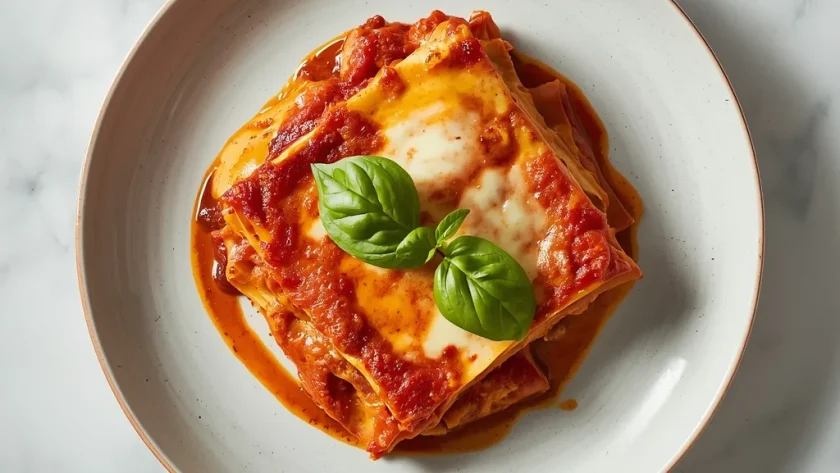
 There are few dishes more comforting than a warm, bubbly slice of lasagna, and for years I’ve been on a quest for the perfect recipe. This Ina Garten Turkey Lasagna is the one I keep coming back to. It’s a lighter take on the classic, using ground turkey instead of beef, but it sacrifices none of the deep, savory flavor you crave. It’s a truly satisfying Italian-American meal that feels special enough for a Sunday dinner but is straightforward enough for a determined weeknight cook.
With a total time of about 90 minutes, this dish involves a bit of assembly, but the steps are simple. The result is a beautifully layered main course with a rich red wine and tomato sauce, a creamy basil-ricotta filling, and plenty of melted mozzarella. This is a beginner-friendly recipe that delivers impressive results.
Ina Garten’s Turkey Lasagna Overview
This dish is a wonderful example of classic comfort food refined with a few thoughtful touches. Instead of the heavier ground beef or sausage common in many lasagna recipes, this version uses ground turkey, which creates a sauce that is both rich and surprisingly light on its feet.
The real depth comes from deglazing the pot with red wine after browning the turkey. That simple step scrapes up all the flavorful browned bits from the bottom of the pan, adding a layer of complexity that you can’t get any other way. It’s a classic technique that makes the final sauce taste like it simmered for hours.
Paired with a simple but elegant ricotta filling scented with fresh basil, this lasagna strikes a perfect balance. It’s rustic, hearty, and feels like a complete meal in one pan.
Why This Recipe is Worth Trying
I find myself making this for small get-togethers and quiet family dinners alike. Here are a few reasons why it has become a staple in my kitchen.
- Lighter, Not Lacking — The ground turkey makes for a less heavy dish, but the savory sauce and creamy cheeses ensure it’s completely satisfying.
- Incredible Flavor Depth — Using red wine to deglaze the pan and simmering the sauce for a good 20 minutes builds a truly fantastic, multi-layered flavor.
- No-Fuss Noodles — This recipe calls for no-boil noodles, which saves you the entire step of boiling pasta and streamlines the assembly process significantly.
- Perfect for Leftovers — Like any good lasagna, the flavors meld and deepen overnight. The leftovers are arguably even better the next day.
- Beautiful Presentation — Those distinct layers of sauce, cheese, and pasta look so impressive when you slice into it, making it a great dish to serve to guests.
Ingredients You’ll Need for This Recipe
The ingredient list is built from classic pantry staples and fresh components that come together beautifully. Here’s what you’ll need to gather.
For the Turkey Sauce
- Olive Oil — Used to sauté the onions and garlic, forming the aromatic base of the sauce.
- Yellow Onion — Provides a sweet, foundational flavor once softened.
- Garlic — Adds that essential pungent, savory note. Use fresh minced garlic for the best results.
- Ground Turkey — The star of the sauce. It creates a lighter but still very flavorful meat sauce.
- Kosher Salt & Black Pepper — For seasoning the dish from the ground up.
- Red Wine — A dry red like Merlot or Cabernet Sauvignon works perfectly to deglaze the pan and add complexity.
- Crushed Tomatoes — The body of the sauce. Good quality canned tomatoes make a big difference.
- Tomato Paste — This thickens the sauce and adds a concentrated, umami-rich tomato flavor.
- Dried Oregano — For that classic Italian-American herbal note that pairs so well with tomato.
For the Cheese Filling
- Whole Milk Ricotta — The creamy, luscious heart of the cheese layer. Don’t use part-skim, as it can be watery.
- Grated Parmesan Cheese — Adds a nutty, salty bite to the ricotta mixture and the top crust.
- Large Egg — This acts as a binder, helping the ricotta filling set up nicely and preventing it from becoming runny.
- Fresh Basil — The fresh, bright flavor of chopped basil cuts through the richness of the cheese beautifully.
For Assembly
- No-Boil Lasagna Noodles — These are a fantastic time-saver. They cook right in the oven from the moisture in the sauce.
- Fresh Mozzarella — Look for low-moisture mozzarella, either shredded or sliced, for that perfect cheesy pull.
Useful Equipment
You don’t need any highly specialized tools for this recipe, but a few key items will make the process much smoother.
- Large Dutch Oven — This is perfect for making the sauce. Its heavy bottom distributes heat evenly and prevents scorching. A large, heavy-bottomed pot is a fine substitute.
- 8×8-inch Baking Dish — A square glass or ceramic dish is the ideal size for the specified ingredient amounts, creating thick, satisfying layers.
- Offset Spatula — While not essential, it makes spreading the ricotta mixture in an even layer incredibly easy. A regular rubber spatula works too.
- Aluminum Foil — You’ll need this to cover the dish for the first part of baking, which steams the noodles and prevents the top from browning too quickly.
Steps to Make Ina Gartens Turkey Lasagna
The process breaks down into three main parts: making the sauce, mixing the cheese, and assembling the layers. Just follow along step-by-step.
- Sauté the Aromatics — Start by cooking the diced onion in olive oil over medium heat in a Dutch oven until it’s soft and translucent, about 8-10 minutes. Then, stir in the garlic for just a minute until it’s fragrant.
- Cook the Turkey — Add the ground turkey, salt, and pepper to the pot. Cook over medium-high heat, breaking it up with a spoon, until it’s fully cooked through.
- Deglaze with Wine — Pour in the red wine and scrape up all the browned bits stuck to the bottom of the pot. Let it simmer for a few minutes until the wine has reduced by about half.
- Simmer the Sauce — Stir in the crushed tomatoes, tomato paste, and oregano. Let the sauce simmer, partially covered, for at least 20 minutes to allow the flavors to come together.
- Prepare the Cheese Filling — While the sauce simmers, preheat your oven to 375°F (190°C). In a bowl, mix the ricotta, Parmesan, egg, basil, salt, and pepper until just combined.
- Start Assembling — Spread a thin layer of turkey sauce on the bottom of an 8×8-inch baking dish. This prevents the noodles from sticking.
- Build the First Layer — Arrange a layer of no-boil noodles over the sauce. Top this with half of the ricotta mixture, a third of the remaining sauce, and a third of the mozzarella.
- Create the Second Layer — Repeat with another layer of noodles, the rest of the ricotta mixture, another third of the sauce, and another third of the mozzarella.
- Finish the Top — Place the final layer of noodles, spoon over the last of the turkey sauce, and top with the remaining mozzarella and a sprinkle of extra Parmesan.
- Bake Covered — Cover the dish tightly with foil and bake for 30 minutes. The foil traps steam to cook the noodles.
- Bake Uncovered — Remove the foil and bake for another 15-20 minutes, until the cheese is golden brown and the sauce is bubbling.
- Rest Before Serving — This is crucial! Let the lasagna rest on a wire rack for at least 15 minutes. This allows the layers to set, so you can cut clean slices.
What Went Wrong and How I Fixed It
The first few times I made any lasagna, I made a few classic mistakes. Here’s what I learned so you can get it right on the first try.
- A Watery Filling — The first time, my ricotta layer was a bit runny. Using whole milk ricotta and ensuring you don’t overmix the filling (which can break it down) makes a huge difference. The egg is also essential as a binder.
- The Sauce Seemed Thin — Don’t rush the simmering step. Giving the sauce a solid 20 minutes to cook down thickens it and concentrates the flavor. A thin sauce will lead to a soupy lasagna.
- My Noodles Were Chewy — I didn’t put enough sauce on the very bottom of the dish once. That first layer of sauce is what steams the bottom noodles, so make sure it’s an even, generous coating.
- Over-browning on Top — Forgetting to cover the lasagna with foil for the first part of baking is a common error. The foil is non-negotiable; it cooks the inside evenly before the top gets a chance to burn.
- It Collapsed When Sliced — I was too impatient and cut into it straight from the oven. That mandatory 15-minute rest allows the cheese and sauce to firm up, so your beautiful layers hold their shape.
Ways to Make Ina Garten’s Turkey Lasagna Healthier
If you’re looking to adjust the nutritional profile, this recipe is quite adaptable. A few simple swaps can make a noticeable difference.
- Introduce Whole Grains — Swap the standard no-boil noodles for a whole wheat variety to add extra fiber and nutrients.
- Choose Leaner Cheeses — Using part-skim ricotta and part-skim mozzarella will reduce the overall fat content. Just be aware that part-skim ricotta can sometimes be more watery.
- Sneak in Some Veggies — You can easily add a layer of wilted spinach (be sure to squeeze out all the excess water!) or thinly sliced, sautéed zucchini between the pasta and cheese layers.
- Select Low-Sodium Tomatoes — Look for low-sodium or no-salt-added crushed tomatoes and tomato paste to better control the sodium levels in the dish.
Alternative Ingredients for Ina Garten’s Turkey Lasagna
Don’t have everything on hand? No problem. This recipe is flexible. Here are some easy substitutions that work well.
- Ground Turkey → Ground Chicken or Lean Ground Beef — Ground chicken is an equally light alternative. For a more traditional, robust flavor, lean ground beef (90/10) works perfectly.
- Ricotta Cheese → Cottage Cheese — For a similar creamy texture, you can use full-fat cottage cheese. I recommend blending it briefly to smooth out the curds before mixing it with the other filling ingredients.
- Red Wine → Chicken or Beef Broth — If you prefer not to cook with wine, you can deglaze the pan with a good-quality chicken, beef, or even vegetable broth.
- Fresh Basil → Dried Basil — In a pinch, you can substitute dried basil for fresh. Use about one-third of the amount called for, so if the recipe needs a tablespoon of fresh, use one teaspoon of dried.
- Mozzarella → Provolone or Fontina — For a different flavor profile, a blend of provolone and mozzarella or some creamy Fontina cheese would be delicious.
What to Serve With Ina Garten Turkey Lasagna
Since the lasagna is so rich and satisfying, I like to keep the side dishes simple and fresh. Here are a few of my go-to pairings.
- A Simple Green Salad — A crisp salad with a light vinaigrette is the perfect counterpoint. Think arugula or mixed greens with a simple lemon and olive oil dressing.
- Crusty Garlic Bread — An absolute classic for a reason. It’s perfect for scooping up any extra sauce left on your plate.
- Roasted Vegetables — Simple roasted broccoli or asparagus tossed with a little olive oil and salt adds a nice, earthy element to the meal.
- A Crisp White Wine — A glass of Pinot Grigio or Sauvignon Blanc cuts through the richness of the cheese and complements the tomato sauce.
- For Dessert, Light Sorbet — After a hearty meal, a scoop of lemon or raspberry sorbet is a wonderfully refreshing finisher.
Pro Tips for the Ina Garten Turkey Lasagna
After making this dish many times, I’ve picked up a few small tricks that make a big difference in the final product.
- Use Freshly Grated Cheese — Pre-shredded cheeses are often coated with anti-caking agents that prevent them from melting as smoothly. Grating your own Parmesan and mozzarella yields a much creamier, gooier result.
- Don’t Skip Deglazing — Scraping up those browned bits (the “fond”) from the bottom of the pan with the red wine is where so much of the sauce’s deep, savory flavor comes from.
- Taste Your Sauce — Before you start assembling, taste the sauce and adjust the seasoning. It might need a pinch more salt or even a tiny bit of sugar to balance the acidity of the tomatoes.
- The Final Rest is Key — I can’t say it enough: letting the lasagna sit for 15 minutes before cutting is non-negotiable for clean slices. The internal temperature is still extremely hot, and this time allows everything to set.
- An Even Spread — Take a moment to spread the ricotta and sauce layers evenly all the way to the edges. This ensures every bite has the perfect ratio of ingredients.
- Season Every Layer — Notice how salt and pepper are added to both the sauce and the ricotta filling? This ensures the entire dish is well-seasoned, not just the sauce.
Unique Takes on This Ina Garten Turkey Lasagna
Once you’ve mastered the basic recipe, it’s fun to experiment with a few creative twists.
- Make it Spicy — Add a healthy pinch of red pepper flakes to the turkey sauce along with the garlic for a welcome kick of heat.
- Add Earthy Mushrooms — Sauté 8 ounces of sliced cremini mushrooms after the onions have softened and incorporate them into the turkey sauce for an extra layer of umami.
- A Touch of Pesto — Spread a thin layer of basil pesto over the ricotta filling for an intense burst of fresh, herby flavor.
- White Sauce Version — Swap the tomato sauce for a creamy béchamel sauce and add some sautéed spinach and mushrooms for a delicious turkey lasagna “bianco.”
- Smoked Mozzarella — Substitute half of the regular mozzarella with smoked mozzarella to lend a subtle, smoky depth to the entire dish.
How to Store Ina Garten Turkey Lasagna Leftovers
This lasagna stores wonderfully, making it perfect for meal prep or enjoying over a few days. Here’s the best way to handle leftovers.
- In the Refrigerator — Cover the baking dish tightly with foil or plastic wrap, or transfer individual slices to an airtight container. It will keep well in the fridge for up to 4 days.
- Freezing a Whole Lasagna — You can freeze the entire, cooled lasagna directly in its baking dish (if it’s freezer-safe). Cover it with a layer of plastic wrap, then a layer of foil, and freeze for up to 3 months.
- For Individual Portions — Cut the cooled lasagna into individual squares, wrap each one tightly in plastic wrap and then foil, and place them in a freezer bag. This is perfect for quick single-serving meals.
How to Reheat Ina Garten’s Turkey Lasagna
Reheating lasagna properly ensures it tastes just as good as it did on day one. Here are the best methods.
- Oven Method (Best) — Place a slice in an oven-safe dish, add a tablespoon of water to create steam, and cover with foil. Bake at 350°F (175°C) for 15-20 minutes, or until heated through.
- Microwave Method (Fastest) — For a single serving, place a slice on a microwave-safe plate, cover it with a damp paper towel, and heat on 50% power in 1-minute increments until hot. This prevents the noodles from getting rubbery.
- From Frozen — It’s best to thaw frozen lasagna in the refrigerator overnight. Then, reheat it using the oven method above, adding about 10 minutes to the baking time.
FAQs
Can I prepare Ina Garten’s Turkey Lasagna ahead of time?
Absolutely. You can assemble the entire lasagna a day in advance. Cover it tightly with plastic wrap and store it in the refrigerator. You may need to add 10-15 minutes to the initial covered baking time since it will be starting cold.
Why did my no-boil noodles come out tough?
This usually happens if there isn’t enough liquid in the dish for the noodles to absorb. Make sure your sauce isn’t too thick and that you have a layer of sauce both on the very bottom of the pan and completely covering the top layer of noodles.
Can I use regular lasagna noodles in this recipe?
Yes, you can. You will need to cook the regular noodles according to the package directions until they are al dente before assembling the lasagna. Be sure to drain them well so they don’t add extra water to the dish.
Is it necessary to use red wine in the sauce?
While the red wine adds a wonderful depth of flavor, you can omit it if you prefer. Simply deglaze the pan with about 1/4 cup of chicken or beef broth instead to get those flavorful bits off the bottom of the pot.
How long does Ina Garten’s Turkey Lasagna last in the fridge?
Stored properly in an airtight container or tightly covered in the baking dish, the leftovers will stay fresh and delicious for up to 4 days in the refrigerator.
Nutritional Breakdown (Per Serving)
This information is based on one of four servings from the 8×8-inch dish. The exact values can vary based on the specific ingredients you use.
- Calories: about 898
- Protein: 62g
- Fat: around 47g
- Carbohydrates: 53g
- Fiber: roughly 6g
- Sugar: 12g
- Sodium: about 1650mg
Try These Recipes
- Ina Garten Shortbread Cookies With Jam
- Ina Garten Broccoli Casserole
- Ina Garten Mexican Wedding Cookies
- Ina Garten Vanilla Cake
Conclusion
This isn’t just another lasagna recipe; it’s a keeper. It manages to feel both wholesome and indulgent at the same time, with a rich, savory flavor that will have everyone asking for a second slice. I love that it relies on simple techniques and accessible ingredients to create something truly special.
If you’re looking for a reliable, crowd-pleasing meal, I hope you’ll give Ina Garten’s Turkey Lasagna a try. It has certainly earned its permanent spot in my recipe binder, and I think it will in yours, too.
PrintIna Garten Turkey Lasagna
This turkey lasagna is a lighter yet deeply flavorful take on the Italian-American classic. A rich, savory turkey and red wine sauce is layered with creamy basil-ricotta and fresh mozzarella, then baked until golden and bubbling. The result is a comforting, satisfying main course that perfectly balances richness with rustic simplicity.
- Prep Time: 25
- Cook Time: 65
- Total Time: 90
- Yield: 4
- Category: Main Course
- Method: Baking
- Cuisine: Italian-American
Ingredients
For the Turkey Sauce
-
- Olive Oil — Used to sauté the onions and garlic, forming the aromatic base of the sauce.
-
- Yellow Onion — Provides a sweet, foundational flavor once softened.
-
- Garlic — Adds that essential pungent, savory note. Use fresh minced garlic for the best results.
-
- Ground Turkey — The star of the sauce. It creates a lighter but still very flavorful meat sauce.
-
- Kosher Salt & Black Pepper — For seasoning the dish from the ground up.
-
- Red Wine — A dry red like Merlot or Cabernet Sauvignon works perfectly to deglaze the pan and add complexity.
-
- Crushed Tomatoes — The body of the sauce. Good quality canned tomatoes make a big difference.
-
- Tomato Paste — This thickens the sauce and adds a concentrated, umami-rich tomato flavor.
-
- Dried Oregano — For that classic Italian-American herbal note that pairs so well with tomato.
For the Cheese Filling
-
- Whole Milk Ricotta — The creamy, luscious heart of the cheese layer. Don’t use part-skim, as it can be watery.
-
- Grated Parmesan Cheese — Adds a nutty, salty bite to the ricotta mixture and the top crust.
-
- Large Egg — This acts as a binder, helping the ricotta filling set up nicely and preventing it from becoming runny.
-
- Fresh Basil — The fresh, bright flavor of chopped basil cuts through the richness of the cheese beautifully.
For Assembly
-
- No-Boil Lasagna Noodles — These are a fantastic time-saver. They cook right in the oven from the moisture in the sauce.
-
- Fresh Mozzarella — Look for low-moisture mozzarella, either shredded or sliced, for that perfect cheesy pull.
Instructions
- Begin by preparing the turkey sauce. Heat the olive oil in a large Dutch oven or heavy-bottomed pot over medium heat. Once the oil shimmers, add the diced onion and cook for 8-10 minutes, stirring occasionally, until softened and translucent but not browned; this step builds a sweet, aromatic base for the sauce.
- Add the minced garlic and cook for one minute more until fragrant, stirring constantly to prevent it from scorching, which would add a bitter taste. Add the ground turkey, 1.5 teaspoons of kosher salt, and 0.75 teaspoon of black pepper. Cook over medium-high heat, breaking up the meat with a wooden spoon, for 7-8 minutes, until it is no longer pink and is cooked through.
- Pour in the red wine to deglaze the pot, scraping up any browned bits from the bottom with your spoon. Allow the wine to simmer and reduce by about half, which should take 2-3 minutes. This process adds a significant layer of depth and complexity to the sauce’s final flavor.
- Stir in the crushed tomatoes, tomato paste, and dried oregano. Bring the sauce to a simmer, then reduce the heat to medium-low, cover partially, and let it cook for at least 20 minutes for the flavors to meld and the sauce to thicken slightly. Taste and adjust seasoning if necessary, then set aside.
- While the sauce simmers, prepare the cheese filling and preheat the oven. Position a rack in the center of the oven and preheat to 375°F / 190°C. In a medium bowl, combine the ricotta, 1/2 cup of Parmesan, the lightly beaten egg, chopped basil, 1/2 teaspoon of kosher salt, and 1/4 teaspoon of black pepper. Mix with a fork until just combined; the egg acts as a binder, ensuring the filling remains creamy and doesn’t become watery during baking.
- Prepare your assembly station. You will need the finished turkey sauce, the ricotta mixture, the no-boil noodles, the mozzarella, and an 8×8-inch square glass or ceramic baking dish. Having everything ready (mise en place) makes the layering process clean and efficient.
- To begin assembling, spread about 1/2 cup of the turkey sauce evenly over the bottom of the baking dish. This initial layer prevents the first layer of noodles from sticking to the dish and allows them to steam and cook properly.
- Arrange the first layer of no-boil noodles over the sauce, breaking them as needed to create a solid, even layer. Spread half of the ricotta mixture evenly over the noodles, using an offset spatula for a smooth surface. Top the ricotta with about one-third of the remaining turkey sauce, followed by one-third of the mozzarella cheese.
- Repeat the layering process once more: a layer of noodles, the remaining half of the ricotta mixture, another one-third of the turkey sauce, and another one-third of the mozzarella. This creates the rich, multi-layered structure essential to a great lasagna.
- Create the final top layer by arranging the remaining noodles, spooning the rest of the turkey sauce over them, and finishing with the last of the mozzarella. Sprinkle a little extra grated Parmesan cheese over the top for a crisp, golden-brown crust.
- Cover the baking dish tightly with aluminum foil. Bake for 30 minutes. The foil traps steam, which cooks the no-boil noodles and allows the lasagna to heat through evenly without the top burning.
- After 30 minutes, carefully remove the aluminum foil. Return the lasagna to the oven and continue to bake, uncovered, for an additional 15-20 minutes. The lasagna is done when the sauce is bubbling around the edges and the cheese on top is melted, golden brown, and slightly crisp.
- Remove the lasagna from the oven and let it rest on a wire rack for a minimum of 15 minutes before slicing and serving. This resting period is critical; it allows the layers to set and firm up, ensuring you can cut clean, beautiful squares that don’t fall apart on the plate.
Notes
Store leftover lasagna tightly covered in the refrigerator for up to 4 days. For longer storage, freeze the cooled, unsliced lasagna (or individual portions) in an airtight container for up to 3 months. To reheat, thaw overnight in the refrigerator if frozen, then bake individual slices in a 350°F / 175°C oven for 15-20 minutes, or until heated through. Microwaving is also an option for single servings.
Nutrition
- Calories: 898
- Sugar: 12g
- Sodium: 1650mg
- Saturated Fat: 23g
- Trans Fat: 47g
- Carbohydrates: 53g
- Fiber: 6g
- Protein: 62g
- Cholesterol: 195mg
Keywords: Ina Garten turkey lasagna, turkey lasagna recipe, Barefoot Contessa lasagna, Italian-American recipe, baked pasta, comfort food, weeknight dinner, make-ahead lasagna, ricotta lasagna, ground turkey recipe, baked lasagna