 Garin Elwood
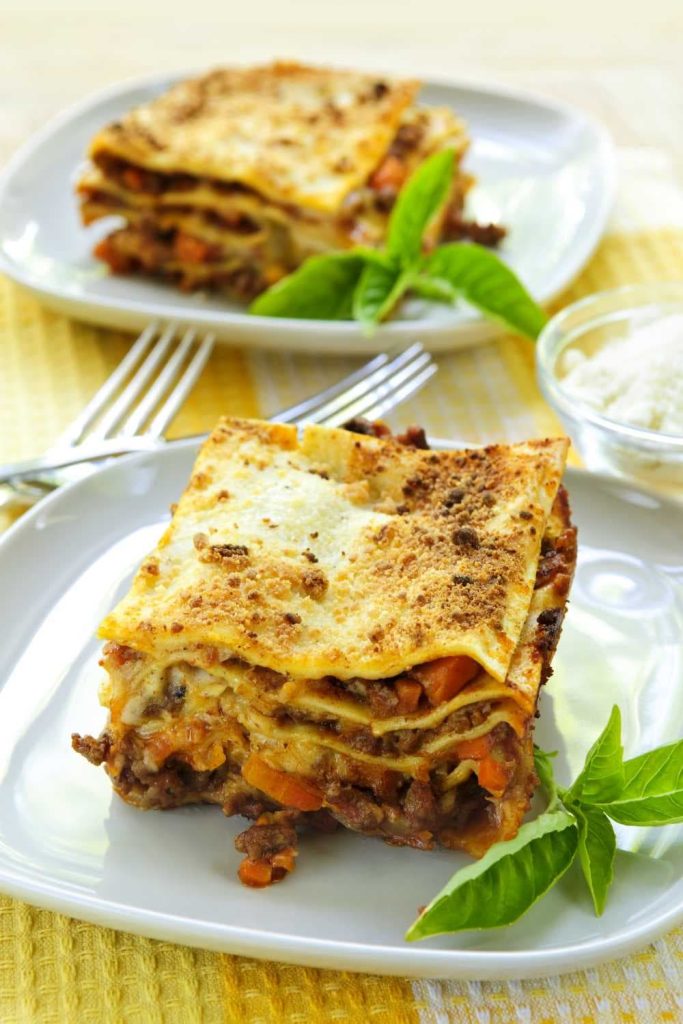
 This Ina Garten Roasted Vegetable Lasagna is proof that comfort food doesn’t need meat to feel rich and satisfying. Packed with oven-roasted vegetables, creamy cheese layers, and a well-balanced tomato sauce, this lasagna delivers deep flavor without feeling heavy.
The taste is savory, slightly sweet from the roasted vegetables, and wonderfully creamy between the layers. It’s a great choice for family dinners, weekend gatherings, or when you need a dependable make-ahead dish. The cooking method relies on roasting and oven baking, which slowly builds flavor and texture without constant attention.
Inspired by Ina Garten, this recipe keeps things elegant yet practical, much like her cooking style.
Ina Garten Roasted Vegetable Lasagna Overview
This lasagna layers roasted vegetables, pasta sheets, tomato sauce, and a creamy cheese mixture into a dish that feels hearty and balanced. Roasting the vegetables first concentrates their flavor, so every bite tastes intentional.
Other Popular Ina Garten Recipes
- Ina Garten Chicken Ramen Noodle Soup
- Ina Garten Split Pea Soup with Kielbasa
- Ina Garten Chicken Ramen Noodle Soup
Why This Recipe Is Worth Trying
- Vegetable-forward comfort – Hearty enough to satisfy without meat.
- Layered flavor – Roasting brings out sweetness and depth.
- Perfect for guests – Holds its shape and looks impressive.
- Make-ahead friendly – Even better after resting.
- Balanced richness – Creamy but not overwhelming.
Ingredients You’ll Need for This Recipe
- 2 zucchini, sliced lengthwise
- 1 large eggplant, sliced
- 1 red bell pepper, sliced
- 1 yellow bell pepper, sliced
- 1 red onion, thickly sliced
- 4 tablespoons olive oil
- 1 teaspoon salt
- ½ teaspoon black pepper
- 2 cups ricotta cheese
- 1 large egg
- 1 cup grated Parmesan cheese
- 2 cups shredded mozzarella cheese
- 3 cups marinara sauce
- 9 lasagna sheets (no-boil or regular, cooked if needed)
- 1 tablespoon fresh basil, chopped
Useful Equipment
- Large baking tray
- 9×13-inch baking dish
- Mixing bowls
- Sharp knife
- Cutting board
- Spatula or spoon
Steps to Make Ina Garten Roasted Vegetable Lasagna
- Roast the vegetables: Preheat the oven and spread the zucchini, eggplant, bell peppers, and red onion in a single layer on a baking tray. Drizzle with olive oil, sprinkle evenly with salt and black pepper, and toss gently to coat. Roast until the vegetables are soft inside and lightly caramelized on the edges. This step removes excess moisture and concentrates their natural sweetness, which is key for a firm lasagna.
- Prepare the cheese layer: In a mixing bowl, combine ricotta cheese, egg, grated Parmesan, and chopped basil. Stir until the mixture is smooth and well blended. The egg helps bind the layers, while Parmesan adds depth and savory balance to the creamy filling.
- Build the base: Lightly grease the baking dish, then spread a thin, even layer of marinara sauce across the bottom. This prevents the lasagna sheets from sticking and ensures the bottom layer cooks evenly without drying out.
- Start layering: Place a single layer of lasagna sheets over the sauce, slightly overlapping if needed. Spoon over some roasted vegetables, spread a portion of the ricotta mixture evenly, add a layer of marinara sauce, and finish with a sprinkle of mozzarella. Each layer should be balanced, not overloaded.
- Repeat carefully: Continue layering in the same order until all ingredients are used, finishing with sauce and a generous topping of mozzarella on the final layer. Keeping the layers even helps the lasagna bake uniformly and hold its shape.
- Bake until set: Cover the dish loosely with foil and bake until the lasagna is heated through and the layers have melded together. Remove the foil during the final minutes to allow the cheese on top to melt fully and develop a light golden color.
- Rest before slicing: Remove the lasagna from the oven and let it rest for at least 15 minutes. This settling time allows the layers to firm up, making the lasagna easier to slice and serve clean portions.

What Went Wrong and How I Fixed It
- Watery lasagna: Roasting vegetables longer removed excess moisture.
- Dry edges: Extra sauce on the corners solved the problem.
- Layers sliding: Letting it rest before cutting made cleaner slices.
Ways to Make Ina Garten Roasted Vegetable Lasagna Healthier
- Reduced-fat cheese option: Use part-skim ricotta and mozzarella.
- Whole wheat pasta: Adds fiber and texture.
- Extra vegetables: Mushrooms or spinach increase nutrients.
- Lower sodium sauce: Helps control salt levels.
Alternative Ingredients for Ina Garten Roasted Vegetable Lasagna
- Butternut squash instead of eggplant: Adds natural sweetness.
- Goat cheese swap: Gives a tangy, creamy contrast.
- Pesto drizzle: A thin layer adds herbaceous depth.
What to Serve With Ina Garten Roasted Vegetable Lasagna
- Fresh green salad – Keeps the meal light and balanced.
- Garlic bread slices – Perfect for scooping extra sauce.
- Roasted asparagus – Complements the vegetable theme.
- Simple tomato salad – Adds freshness and acidity.
Best Tips for Ina Garten Roasted Vegetable Lasagna
- Proper roasting matters – Deep color equals better flavor.
- Layer evenly – Balanced layers prevent collapse.
- Sauce control helps – Too much sauce makes it soggy.
- Cheese distribution counts – Spread evenly for consistent texture.
- Foil timing is key – Cover early, uncover late for browning.
- Resting improves structure – Slices hold better after cooling.
Unique Takes on Ina Garten Roasted Vegetable Lasagna
- Mediterranean twist – Add olives and feta.
- Spicy version – Red pepper flakes between layers.
- Creamy finish – A thin béchamel layer on top.
How to Store Ina Garten Roasted Vegetable Lasagna
- Refrigerator storage – Keep covered for up to 4 days.
- Freezer-friendly method – Freeze portions tightly wrapped.
- Portion storage – Slice before storing for easy reheating.
How to Reheat Ina Garten Roasted Vegetable Lasagna
Reheat in the oven at low heat, covered with foil to prevent drying. For quicker reheating, microwave individual portions in short intervals until heated through.
Nutritional Breakdown (Per Serving)
- Calories: ~420 kcal
- Protein: ~20 g
- Carbohydrates: ~38 g
- Fat: ~22 g
- Fiber: ~6 g
- Sodium: ~680 mg
Ina Garten Roasted Vegetable Lasagna
This lasagna layers roasted vegetables, pasta sheets, tomato sauce, and a creamy cheese mixture into a dish that feels hearty and balanced. Roasting the vegetables first concentrates their flavor, so every bite tastes intentional.
- Prep Time: 30
- Cook Time: 60
- Total Time: 1 hour 30 minutes
- Yield: 8 1x
- Category: Main Course
- Method: Oven bakin
- Cuisine: Italian-American
Ingredients
-
2 zucchini, sliced lengthwise
-
1 large eggplant, sliced
-
1 red bell pepper, sliced
-
1 yellow bell pepper, sliced
-
1 red onion, thickly sliced
-
4 tablespoons olive oil
-
1 teaspoon salt
-
½ teaspoon black pepper
-
2 cups ricotta cheese
-
1 large egg
-
1 cup grated Parmesan cheese
-
2 cups shredded mozzarella cheese
-
3 cups marinara sauce
-
9 lasagna sheets (no-boil or regular, cooked if needed)
-
1 tablespoon fresh basil, chopped
Instructions
-
Roast the vegetables: Preheat the oven and spread the zucchini, eggplant, bell peppers, and red onion in a single layer on a baking tray. Drizzle with olive oil, sprinkle evenly with salt and black pepper, and toss gently to coat. Roast until the vegetables are soft inside and lightly caramelized on the edges. This step removes excess moisture and concentrates their natural sweetness, which is key for a firm lasagna.
-
Prepare the cheese layer: In a mixing bowl, combine ricotta cheese, egg, grated Parmesan, and chopped basil. Stir until the mixture is smooth and well blended. The egg helps bind the layers, while Parmesan adds depth and savory balance to the creamy filling.
-
Build the base: Lightly grease the baking dish, then spread a thin, even layer of marinara sauce across the bottom. This prevents the lasagna sheets from sticking and ensures the bottom layer cooks evenly without drying out.
-
Start layering: Place a single layer of lasagna sheets over the sauce, slightly overlapping if needed. Spoon over some roasted vegetables, spread a portion of the ricotta mixture evenly, add a layer of marinara sauce, and finish with a sprinkle of mozzarella. Each layer should be balanced, not overloaded.
-
Repeat carefully: Continue layering in the same order until all ingredients are used, finishing with sauce and a generous topping of mozzarella on the final layer. Keeping the layers even helps the lasagna bake uniformly and hold its shape.
-
Bake until set: Cover the dish loosely with foil and bake until the lasagna is heated through and the layers have melded together. Remove the foil during the final minutes to allow the cheese on top to melt fully and develop a light golden color.
-
Rest before slicing: Remove the lasagna from the oven and let it rest for at least 15 minutes. This settling time allows the layers to firm up, making the lasagna easier to slice and serve clean portions.
FAQs
Can I roast the vegetables ahead of time for roasted vegetable lasagna?
Yes, the vegetables can be roasted up to one day in advance and stored in the refrigerator. Letting them cool completely before layering helps prevent excess moisture in the lasagna.
Why is my roasted vegetable lasagna watery after baking?
This usually happens when the vegetables release moisture. Roasting them until lightly caramelized and allowing the lasagna to rest before slicing helps keep the layers firm.
Should I cook lasagna sheets before assembling this dish?
If you are using no-boil lasagna sheets, they can be layered directly into the dish. Regular lasagna sheets should be cooked until just tender to avoid dryness during baking.
How long should roasted vegetable lasagna rest before cutting?
Let the lasagna rest for at least 15 minutes after baking. This allows the layers to set, making it easier to slice clean portions.
Conclusion
This Ina Garten Roasted Vegetable Lasagna shows how vegetables can take center stage without sacrificing comfort or flavor. With roasted layers, creamy cheese, and a steady baking process, it delivers a dish that feels thoughtful, filling, and worth repeating—just the kind of recipe that earns a permanent place in your kitchen rotation.