 Garin Elwood
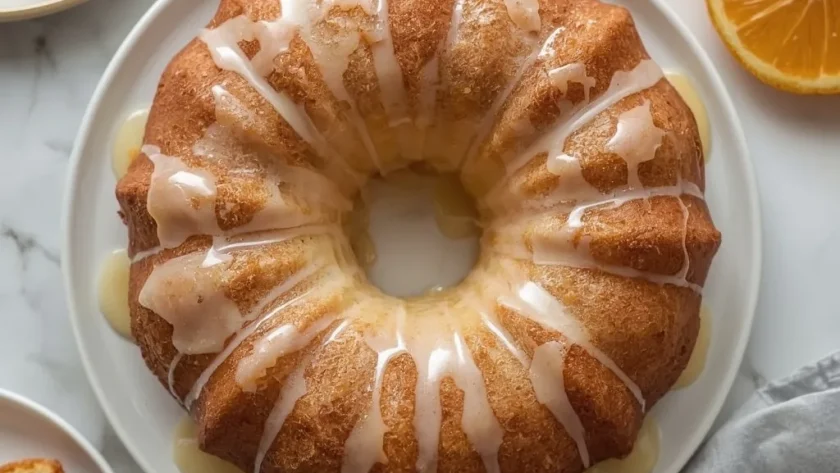
 When I think of a dessert that feels both special and simple, a classic pound cake often comes to mind. Today, I’m sharing a citrus-kissed version that’s become a staple in my kitchen. This guide will walk you through making the perfect Ina Garten Orange Pound Cake—a moist, buttery loaf with a tender crumb and a bright, tangy glaze. It’s an ideal bake for afternoon tea, a spring brunch, or just because you want your kitchen to smell amazing.
With a prep time of 20 minutes and a bake time of about 50, you’ll be enjoying a slice in just over an hour. This American dessert gets its signature flavor from fresh orange zest and juice, with a bit of Greek yogurt ensuring it stays incredibly moist. Let’s get baking.
Ina Garten Orange Pound Cake Overview
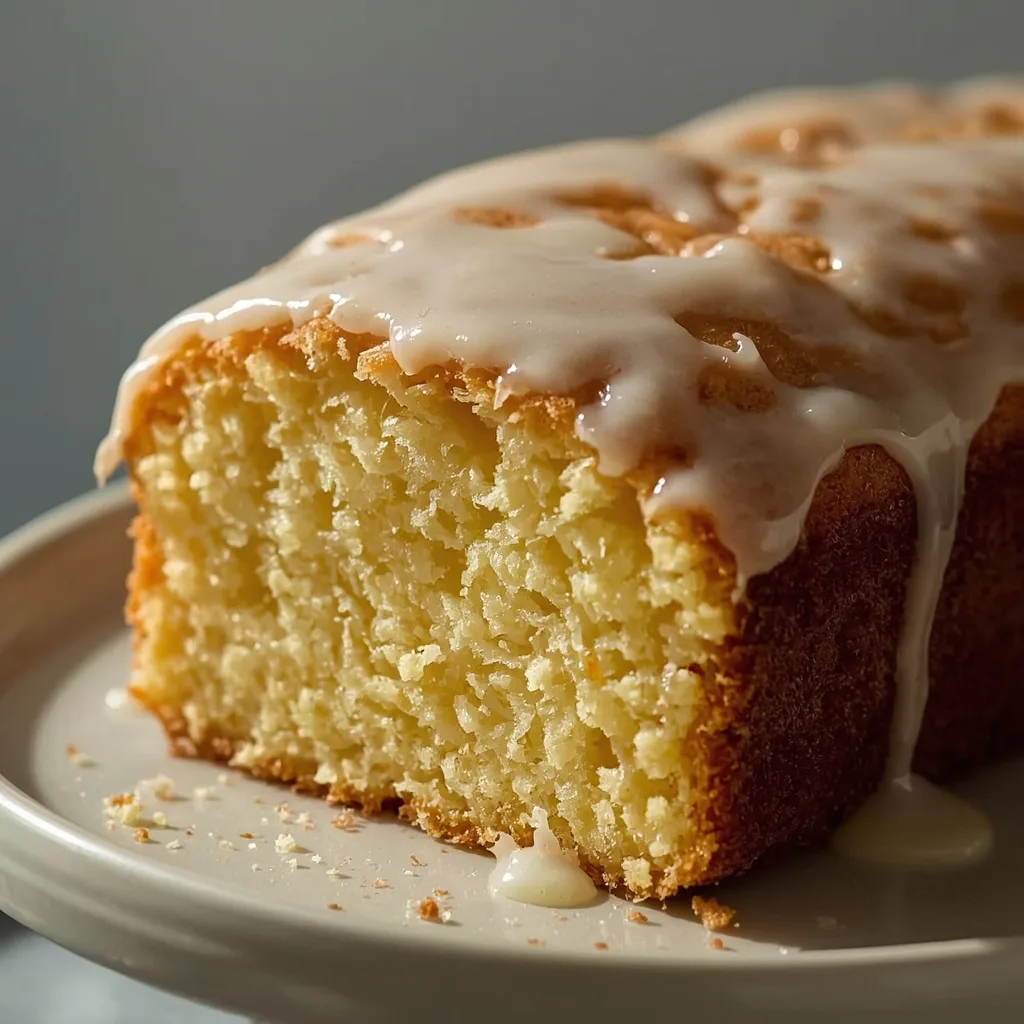
Pound cake is a timeless American treat, named for its traditional formula of a pound each of butter, sugar, eggs, and flour. This citrus loaf puts a sunny spin on that classic, delivering a fine-crumbed cake that’s both rich and refreshingly tangy. What makes this recipe stand out is its balance; it’s deeply buttery without being heavy, and the orange flavor is present but never artificial.
I find it’s the perfect bake for any occasion that calls for something elegant but unfussy. It’s a wonderful addition to a dessert table, makes a thoughtful gift, and pairs beautifully with a cup of coffee. The texture is what I love most—dense yet tender, with a velvety crumb that melts in your mouth.
Why This Recipe is Worth Trying
Here’s what makes this particular orange loaf a standout in my recipe box.
- Balanced Citrus Flavor — Using both zest and fresh juice gives you a bright, authentic orange taste that’s far superior to any extract.
- Tender, Moist Texture — The combination of Greek yogurt and careful mixing creates a cake that stays soft for days.
- Simple, Elegant Presentation — The optional glaze transforms it from a humble loaf into a stunning dessert with minimal effort.
- Versatile for Any Time — It’s equally at home at a formal gathering as it is with a casual afternoon cup of tea.
- Forgiving for Bakers — The method is straightforward, making it a great choice for both beginners and seasoned bakers.
Ingredients You’ll Need for This Recipe
You probably have most of these basics in your pantry already. Using quality ingredients, especially fresh citrus, makes all the difference here.
Wet Ingredients & Flavor
- 1/2 cup (1 stick) unsalted butter, softened — This provides the rich, foundational flavor. Room-temperature butter creams properly with sugar for a light texture.
- 1 cup granulated sugar — Sweetens the cake and helps create that delicate, tender crumb during creaming.
- 2 large eggs, at room temperature — They bind the batter and add structure. Room temp eggs incorporate more smoothly, preventing curdling.
- Zest of 2 medium oranges — This is where the intense citrus aroma comes from. Finely grate only the orange part, avoiding the bitter white pith.
- 1/4 cup fresh orange juice — Adds tangy moisture and flavor. Freshly squeezed is non-negotiable for the best taste.
- 1 teaspoon pure vanilla extract — A subtle background note that enhances all the other flavors in the batter.
- 1/4 cup full-fat Greek yogurt — The secret to incredible moisture. Its acidity also tenderizes the gluten for a softer cake.
Dry Ingredients
- 1 cup all-purpose flour — The structure of the cake. Be sure to spoon it into your measuring cup and level it off for accuracy.
- 1/2 teaspoon baking powder — Provides a gentle lift, helping the cake rise in the oven.
- 1/4 teaspoon baking soda — Reacts with the acidic yogurt and juice for additional leavening and browning.
- 1/4 teaspoon kosher salt — Essential for balancing the sweetness and enhancing all the flavors.
For the Glaze (Optional)
- 1/2 cup confectioners’ sugar, sifted — Creates a smooth, sweet glaze. Sifting is key to avoiding lumps.
- 1 to 2 tablespoons fresh orange juice — Thins the sugar to a perfect drizzling consistency and adds more flavor.
Useful Equipment
You don’t need any specialty tools, but a few key items will make the process smoother.
- Stand Mixer or Hand Mixer — Crucial for properly creaming the butter and sugar to that light, fluffy stage. You can use a wooden spoon and serious elbow grease, but a mixer is much easier.
- 9×5-inch Loaf Pan or 6-cup Bundt Pan — The classic vessel for this cake. Greasing and flouring it well ensures a clean release.
- Fine Grater or Microplane — For zesting the oranges without getting any of the bitter white pith mixed in.
- Wire Cooling Rack — Allows air to circulate around the cake as it cools, preventing a soggy bottom.
- Small Whisk and Bowl — For mixing up your glaze quickly and smoothly.
Steps to Make Ina Garten Orange Pound Cake
The process is methodical but simple. Taking your time with each step ensures the best possible texture.
- Step 1: Prep the Pan and Oven — Preheat your oven to 350°F. Grease your loaf pan with butter, then dust it lightly with flour, tapping out the excess. This creates a perfect non-stick barrier.
- Step 2: Cream Butter and Sugar — In your mixer bowl, beat the softened butter and granulated sugar on medium-high for 3-4 minutes until pale and fluffy. Scrape the bowl halfway through. This incorporates air, which is vital for lift.
- Step 3: Add Eggs Gradually — With the mixer on medium-low, add the eggs one at a time, mixing fully after each. Wait about 30 seconds between additions to let them emulsify and prevent a curdled batter.
- Step 4: Whisk Dry Ingredients — In a separate bowl, whisk together the flour, baking powder, baking soda, and salt. This aerates them and distributes the leaveners evenly.
- Step 5: Mix in Wet Flavorings — To the creamed mixture, add the orange zest, juice, vanilla, and yogurt. Mix on low just until combined, about 30 seconds.
- Step 6: Combine Wet and Dry — With the mixer on low, add the dry ingredients in two or three additions, mixing just until no flour streaks remain. Overmixing here is the enemy of a tender cake.
- Step 7: Pour and Smooth Batter — Transfer the batter to your prepared pan. Smooth the top and tap the pan firmly on the counter a few times to release any large air bubbles.
- Step 8: Bake Until Golden — Bake on the center rack for 45-55 minutes. Start checking at 45 minutes; a toothpick inserted should come out clean or with a few moist crumbs.
- Step 9: Cool in the Pan — Let the cake cool in the pan on a wire rack for 15 minutes. This allows it to set so it doesn’t break apart when you remove it.
- Step 10: Remove to Cool Completely — Run a knife around the edges, invert the cake onto the rack, and let it cool completely before glazing.
- Step 11: Make the Glaze — Whisk the sifted confectioners’ sugar with 1 tablespoon of orange juice. Add more juice, a teaspoon at a time, until it’s pourable but still thick.
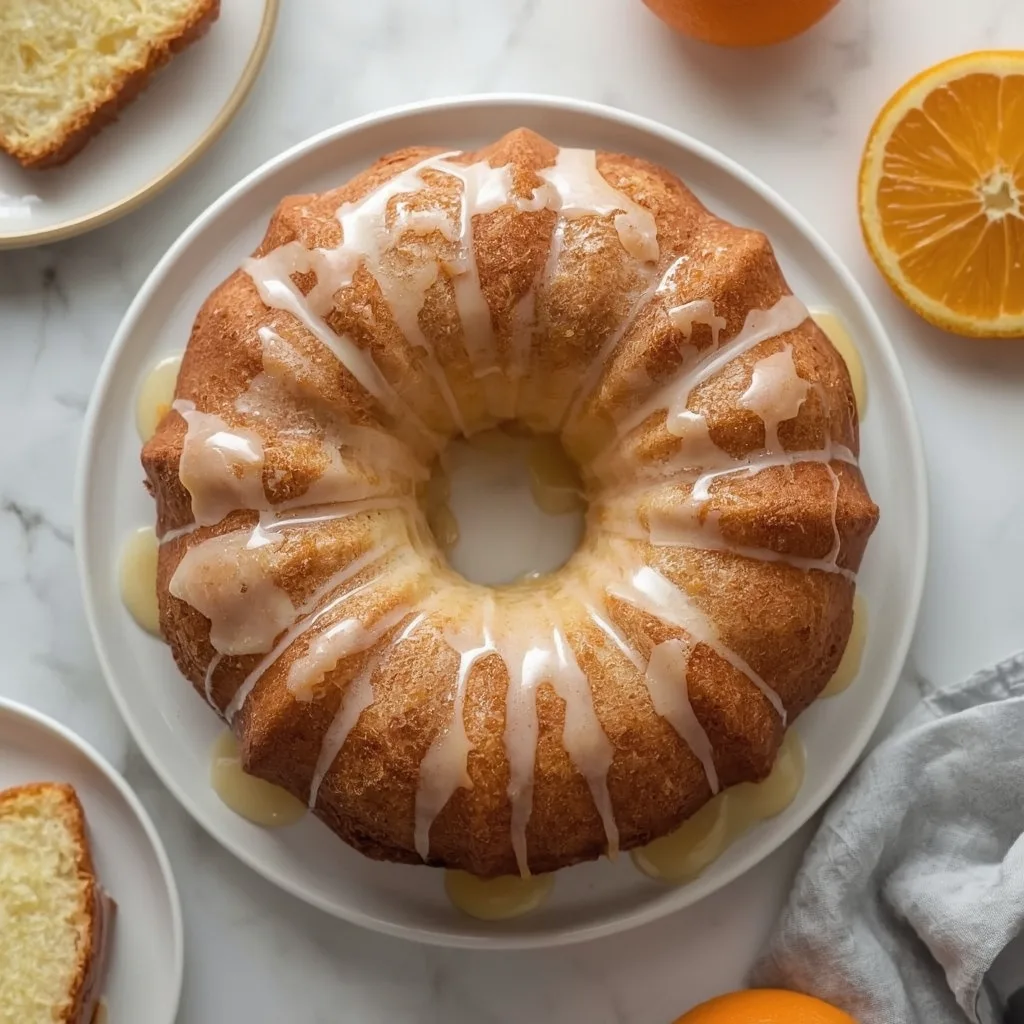
- Step 12: Glaze and Serve — Place the cooled cake on a rack over a baking sheet. Drizzle the glaze evenly over the top, letting it drip down the sides. Let it sit for 20-30 minutes before slicing.
What Went Wrong and How I Fixed It
We’ve all had baking mishaps. Here are a few common ones I’ve encountered with this cake and how to solve them.
- Dense, Heavy Texture — This usually means the butter and sugar weren’t creamed long enough. Next time, beat for the full 3-4 minutes until truly pale and fluffy.
- Cake Sank in the Middle — Overmixing the batter after adding the flour can cause this. Mix only until the ingredients are just combined.
- Dry or Crumbly Cake — Overbaking is the likely culprit. Ovens vary, so start checking a good 10 minutes before the recipe suggests.
- Stuck to the Pan — I learned the hard way that greasing and flouring is better than just greasing. Take an extra minute to dust that pan with flour.
- Weak Orange Flavor — Skipping the zest is a major flavor loss. The zest holds the potent citrus oils that juice alone can’t provide.
- Curdled Batter — If your eggs were too cold or added too fast, the batter might look grainy. Using room-temperature eggs and adding them slowly prevents this.
Ways to Make Ina Garten Orange Pound Cake Healthier
If you’re looking for a slightly lighter version, these simple swaps can help.
- Reduce the Sugar — You can often cut the granulated sugar by a quarter cup without drastically affecting the texture or rise.
- Use Whole Wheat Flour — Swap half the all-purpose flour for whole wheat pastry flour. It adds fiber and a nutty depth.
- Opt for a Lighter Yogurt — While full-fat gives the best moisture, low-fat Greek yogurt can be used in a pinch.
- Skip the Glaze — The cake is perfectly sweet and delicious on its own. Omitting the glaze saves a significant amount of added sugar.
- Incorporate Olive Oil — Replace half the butter with a mild extra-virgin olive oil for a different flavor profile and healthier fats.
Alternative Ingredients for Ina Garten Orange Pound Cake
Out of something? Here are reliable swaps that keep the cake delicious.
- Butter → Vegan Butter or Coconut Oil — Use a 1:1 swap for a dairy-free version. Ensure it’s softened to room temperature for creaming.
- Greek Yogurt → Sour Cream or Buttermilk — An equal amount of full-fat sour cream works beautifully. Buttermilk will also add tenderness.
- All-Purpose Flour → Gluten-Free 1:1 Blend — Use a trusted brand like Bob’s Red Mill. The texture will be slightly more delicate.
- Orange Juice & Zest → Lemon or Grapefruit — For a different citrus twist, use lemon or grapefruit. The tartness is wonderful.
- Granulated Sugar → Cane Sugar or Coconut Sugar — Cane sugar works identically. Coconut sugar will darken the cake’s color and add a caramel note.
What to Serve With Ina Garten Orange Pound Cake
This versatile cake pairs well with so many things. Here are a few of my favorite combinations.
- Earl Grey Tea — The bergamot in the tea complements the orange notes in the cake perfectly for an afternoon treat.
- Fresh Whipped Cream — A dollop of lightly sweetened cream adds a lovely richness and cuts the citrus tang.
- Vanilla Bean Ice Cream — Serve a warm slice à la mode for an indulgent, simple dessert.
- Mixed Berries — A side of fresh strawberries, raspberries, or blueberries adds a fresh, juicy contrast.
- Sparkling Wine — A glass of Prosecco or Champagne turns a simple slice into a celebration.
Best Tips for Ina Garten Orange Pound Cake
These little details have made a big difference in my results over the years.
- Room Temperature is Key — Let your butter, eggs, and yogurt sit out for an hour. This ensures they emulsify properly for a smooth, uniform batter.
- Zest Before Juicing — Always grate your zest from the oranges before you cut and juice them. It’s infinitely easier.
- Don’t Overmix the Flour — Once you add the dry ingredients, mix on low speed only until the flour disappears. Overworking develops gluten, leading to toughness.
- Test for Doneness Early — Oven thermostats can be off. Start checking with a toothpick at the 45-minute mark to avoid overbaking.
- Cool Completely Before Glazing — If the cake is even slightly warm, the glaze will melt and slide right off. Patience pays off.
- Use a Serrated Knife — For the cleanest slices, use a gentle sawing motion with a serrated bread knife.
Unique Takes on Ina Garten Orange Pound Cake
Feel like playing around? Here are some fun twists on the classic recipe.
- Chocolate Chip Orange — Fold 3/4 cup of mini chocolate chips into the batter before baking for a classic flavor pairing.
- Orange-Cranberry Loaf — Add 1/2 cup of dried cranberries tossed in a bit of flour to the batter for a tart, chewy contrast.
- Orange Cardamom Pound Cake — Whisk 1 teaspoon of ground cardamom into the dry ingredients for a warm, aromatic spice note.
- Glazed with Citrus Icing — Mix the confectioners’ sugar with lemon or grapefruit juice instead of orange for a multi-citrus flavor.
- Mini Loaf Gifts — Bake the batter in four mini loaf pans, reducing the time to 30-35 minutes. They make wonderful gifts.
How to Store Ina Garten Orange Pound Cake
Proper storage keeps it fresh and delicious for days.
- Room Temperature (Short-Term) — Once the glaze is set, store the cake under a cake dome or loosely wrapped in plastic wrap for up to 3 days.
- Refrigerate for Longer Freshness — For glazed cakes, I prefer to refrigerate them, tightly wrapped, for up to 5 days.
- Freeze Unglazed Cakes — Wrap the completely cooled, unglazed loaf tightly in plastic wrap, then in foil. Freeze for up to 3 months.
- Slice Before Freezing — For easy single servings, slice the cooled cake, wrap slices individually, and freeze. Thaw at room temperature as needed.
How to Reheat Ina Garten Orange Pound Cake
A quick warm-up can make day-old cake taste freshly baked.
- Oven Method (Best for Texture) — Preheat your oven to 300°F. Place slices on a baking sheet for 5-10 minutes until just warmed through.
- Microwave for Speed — Place a single slice on a microwave-safe plate and heat for 10-15 seconds. Be careful not to overdo it, or it can become tough.
- Toaster Oven Convenience — Use the toast or warm setting for a few minutes. This works great for giving the edges a slight crisp.
FAQs
Can I make this recipe into muffins?
Absolutely. Divide the batter among a lined muffin tin, filling each cup about 2/3 full. Bake at 350°F for 18-22 minutes, or until a toothpick comes out clean.
How long does Ina Garten Orange Pound Cake last?
Stored properly at room temperature, it stays fresh for about 3 days. In the fridge, it will last for up to 5 days. You can also freeze it for longer storage.
Can I freeze Ina Garten Orange Pound Cake?
Yes, it freezes beautifully. Wrap the unglazed, completely cooled loaf tightly in plastic wrap and then aluminum foil. Freeze for up to 3 months. Thaw overnight in the refrigerator or at room temperature before glazing and serving.
Why did my cake crack on top?
A crack down the center is very common and normal for pound cakes! It happens as the cake rises quickly in the hot oven. It’s a sign of good rise and nothing to worry about.
Can I use bottled orange juice?
I really don’t recommend it. Bottled juice lacks the fresh, bright flavor and can sometimes have a cooked or metallic taste. Freshly squeezed juice makes a noticeable difference.
My glaze is too thin/thick. How do I fix it?
If it’s too thin, whisk in more sifted confectioners’ sugar, a tablespoon at a time. If it’s too thick, add more orange juice just a few drops at a time until it reaches a pourable consistency.
Nutritional Breakdown (Per Serving)
Based on 1 serving = 1 slice out of 4 total slices from one loaf. This is a rich dessert, so slices are generous.
- Calories: 626
- Protein: about 8g
- Total Fat: 26g
- Carbohydrates: 92g
- Fiber: 1g
- Sugars: around 52g
- Sodium: 125mg
Conclusion
I hope this guide gives you the confidence to bake this beautiful, flavorful cake. The process is wonderfully straightforward, and the result—a moist, citrus-scented loaf with a tender crumb—is always worth the effort. Whether you’re serving it for a special occasion or just treating yourself, this Ina Garten Orange Pound Cake is a recipe you’ll return to again and again. Happy baking
PrintIna Garten Orange Pound Cake

This orange pound cake is moist, buttery, and bursting with bright citrus flavor. The fine crumb and tender texture make it perfect for afternoon tea or a simple dessert. A sweet orange glaze adds an extra layer of tangy sweetness.
- Prep Time: 20
- Cook Time: 50
- Total Time: 70
- Yield: 4 1x
- Category: Dessert
- Method: Baking
- Cuisine: American
Ingredients
- 1/2 cup (8 tablespoons / 1 stick) unsalted butter, softened at room temperature
- 1 cup granulated sugar
- 2 large eggs, at room temperature
- 1 cup all-purpose flour, spooned and leveled
- 1/2 teaspoon baking powder
- 1/4 teaspoon baking soda
- 1/4 teaspoon kosher salt
- Zest of 2 medium oranges, finely grated (about 2 tablespoons)
- 1/4 cup fresh orange juice, from about 1 orange
- 1 teaspoon pure vanilla extract
- 1/4 cup full-fat Greek yogurt, at room temperature
- 1/2 cup confectioners’ sugar, sifted (for glaze, optional)
- 1 to 2 tablespoons fresh orange juice, as needed for glaze consistency (optional)
Instructions
- Preheat your oven to 350°F / 177°C. Grease a 9×5-inch loaf pan or a 6-cup bundt pan with butter, then dust lightly with flour, tapping out any excess. This creates a non-stick barrier to ensure the cake releases cleanly after baking, preventing sticking and promoting even browning.
- In the bowl of a stand mixer fitted with the paddle attachment, or using a hand mixer, cream the softened butter and granulated sugar on medium-high speed for 3-4 minutes, until light, fluffy, and pale yellow. Scrape down the sides of the bowl halfway through with a rubber spatula to ensure even mixing. Creaming incorporates air into the batter, which helps the cake rise and results in a tender crumb.
- With the mixer on medium-low speed, add the eggs one at a time, mixing fully after each addition until just combined. Wait about 30 seconds between eggs to allow them to emulsify properly. This gradual addition prevents the batter from curdling, ensuring a smooth and homogeneous mixture.
- In a separate medium bowl, whisk together the all-purpose flour, baking powder, baking soda, and kosher salt until well combined. Sifting or whisking aerates the dry ingredients and distributes the leaveners evenly, which promotes consistent rising during baking.
- To the creamed butter-sugar-egg mixture, add the orange zest, fresh orange juice, vanilla extract, and Greek yogurt. Mix on low speed for about 30 seconds until just incorporated. The acidity from the yogurt and juice tenderizes the gluten, while the zest infuses intense citrus flavor without adding excess liquid.
- With the mixer on low speed, gradually add the dry ingredients to the wet mixture in two or three additions, mixing until just combined after each. Stop mixing as soon as no flour streaks remain to avoid overworking the batter, which can lead to a tough cake. Scrape the bowl as needed.
- Pour the batter into the prepared pan and use a spatula to smooth the top into an even layer. Gently tap the pan on the counter a few times to release any large air bubbles. This ensures the cake bakes evenly without tunnels or uneven texture.
- Place the pan in the preheated oven on the center rack and bake for 45-55 minutes. Start checking for doneness at 45 minutes by inserting a toothpick or skewer into the center—it should come out clean or with a few moist crumbs. The cake should be golden brown and pull away slightly from the pan edges.
- Once baked, remove the cake from the oven and let it cool in the pan on a wire rack for 15 minutes. This allows the structure to set, making it less likely to break when removed. Avoid cooling completely in the pan to prevent sogginess from steam.
- After 15 minutes, run a thin knife around the edges of the pan to loosen the cake, then invert it onto the wire rack to cool completely. If using a bundt pan, tap the bottom firmly if needed to release. Cooling completely prevents the glaze from melting when applied.
- For the optional glaze, in a small bowl, whisk together the sifted confectioners’ sugar and 1 tablespoon of fresh orange juice until smooth. Add more juice, a teaspoon at a time, until it reaches a pourable but thick consistency. Sifting the sugar eliminates lumps for a smooth, glossy finish.
- Once the cake is completely cool, place the wire rack over a baking sheet to catch drips. Drizzle the glaze evenly over the top of the cake, allowing it to drip down the sides. Let the glaze set for 20-30 minutes before slicing and serving for a clean cut.
Notes
Storage: Wrap the unglazed cake tightly in plastic wrap and store at room temperature for up to 3 days, or refrigerate for up to 5 days. For longer storage, freeze the unglazed cake wrapped in plastic wrap and aluminum foil for up to 3 months. Thaw at room temperature before glazing and serving. Reheat slices in a preheated 300°F / 149°C oven for 5-10 minutes to refresh texture and warmth.
Nutrition
- Calories: 626
- Sugar: 52g
- Sodium: 125mg
- Unsaturated Fat: 14g
- Carbohydrates: 92g
- Fiber: 1g
- Protein: 8g
- Cholesterol: 155mg
Keywords: orange pound cake, Ina Garten recipe, citrus cake, moist pound cake, easy dessert, baking, orange zest, yogurt cake, tea cake, weekend baking, family dessert, classic cake