 Garin Elwood
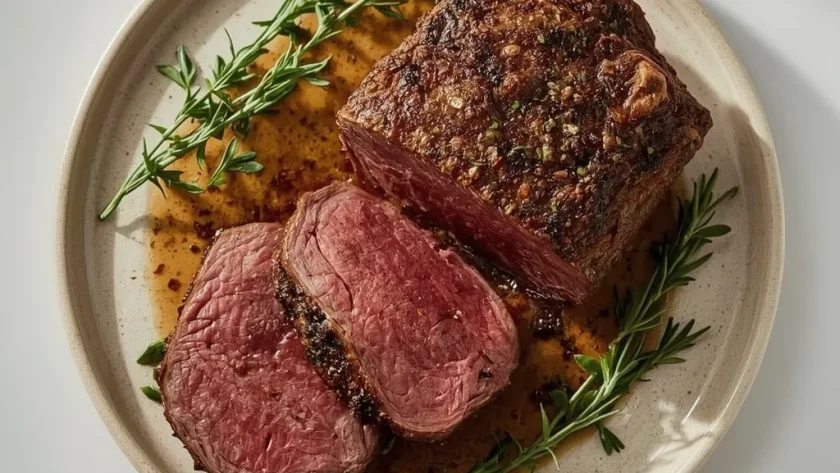
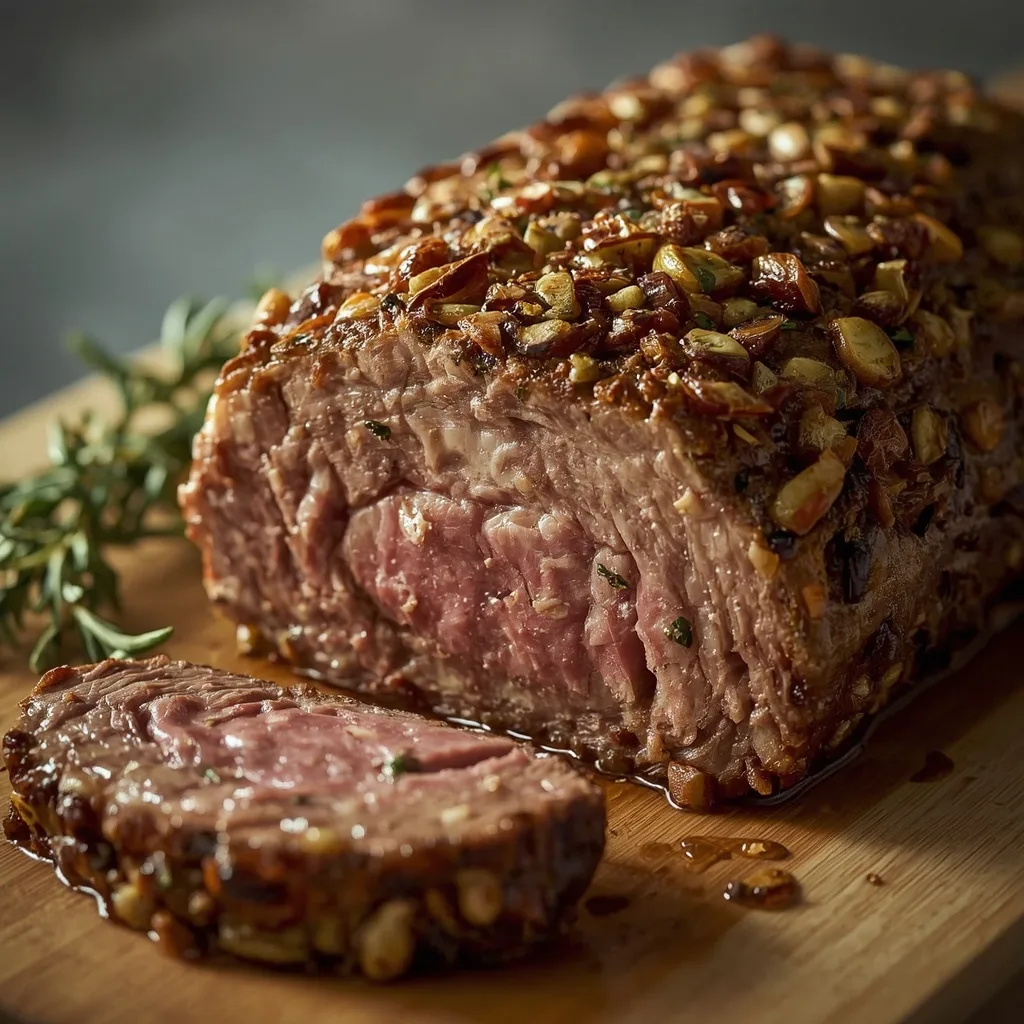
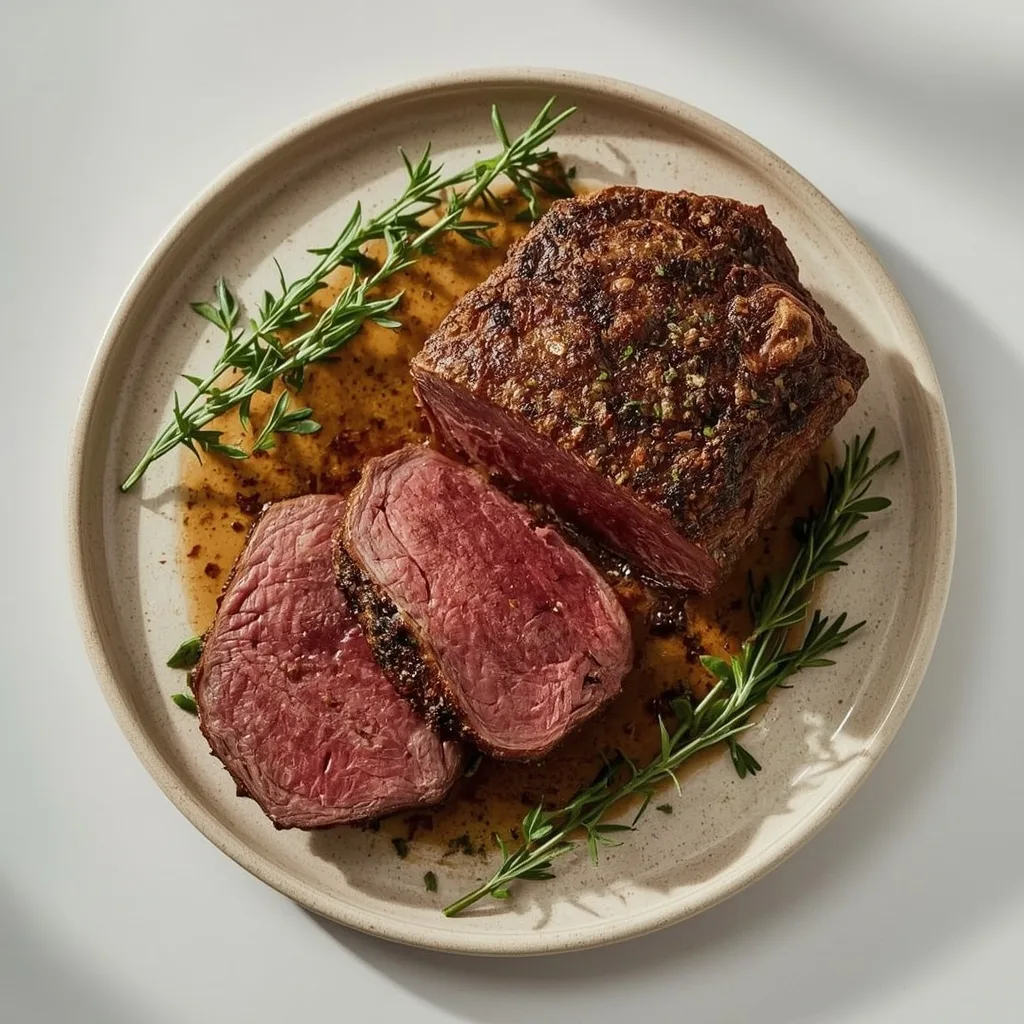
 This Ina Garten Beef Tenderloin is the kind of recipe that turns a regular dinner into something special without turning you into a stressed-out wreck in the kitchen. The garlic-herb crust creates a deeply flavorful exterior while the inside stays incredibly tender and juicy.
From start to finish, this takes about 50 minutes with just 20 minutes of active prep. It falls into the intermediate category mostly because you need to tie the roast properly and watch the internal temperature closely. The trickiest part is getting the doneness right on the first try, but an instant-read thermometer solves that problem completely.
Ina Garten Beef Tenderloin Overview
This dish is a classic American roast that shines at holiday dinners and special celebrations. The method comes from Ina Garten’s approach of keeping things simple while maximizing flavor through proper technique. Instead of complicated marinades or fancy rubs, this relies on a straightforward garlic-herb paste combined with Dijon mustard for depth.
The beef tenderloin itself is one of the most tender cuts of meat you can buy. It comes from the loin section of the cow and has very little connective tissue, which means it stays soft and buttery when cooked correctly. The high-heat roasting method creates a browned crust in about 20-30 minutes while the interior stays perfectly pink.
What makes this recipe stand out is the balance of flavors. The fresh rosemary and thyme bring an earthy, aromatic quality that pairs beautifully with the richness of the beef. The Dijon mustard adds a subtle tangy note that cuts through the fat without overpowering the meat’s natural taste.
Why This Recipe is Worth Trying
- Consistent results — The high oven temperature and wire rack setup ensure even cooking every time. No flipping, no basting, no guesswork.
- Impressive presentation — Tying the roast creates a uniform shape that slices into beautiful medallions. Your guests will think you spent hours on this.
- Make-ahead friendly — You can prep the garlic-herb paste up to 2 days in advance. Just rub it on right before roasting.
- Minimal ingredients — Nine ingredients total, and most are pantry staples. No weird specialty items required.
- Versatile serving options — This works equally well hot from the oven or at room temperature for buffets. Leftovers make amazing steak sandwiches the next day.
Ingredients You’ll Need for This Recipe
Here is what you need to gather before starting. The ingredient list is short, so quality matters more than usual.
For the Beef
- 1 whole beef tenderloin, trimmed (about 3 lb / 1.36 kg) — This is the star of the show. Ask your butcher to trim and tie it if you want to save time. Look for even thickness throughout for the most consistent cooking.
- 2 tbsp Dijon mustard — Acts as a binder for the herb paste and adds a mild tang. Smooth Dijon works better than whole-grain here because it spreads more evenly.
For the Garlic-Herb Paste
- 2 tbsp unsalted butter, softened — Helps the seasonings stick and promotes browning. Make sure it is truly softened, not melted, or the paste will be runny.
- 2 tbsp olive oil — Adds richness and helps carry the herb flavors into the meat. Regular olive oil is fine; save the expensive extra-virgin for salads.
- 3 cloves garlic, minced — Fresh garlic is non-negotiable here. Pre-minced jarred garlic tends to burn at high heat and lacks the same punch.
- 1 tbsp fresh rosemary, finely chopped — Use the leaves only, not the woody stems. Dried rosemary will not give the same aromatic intensity.
- 1 tbsp fresh thyme leaves — Strip the leaves from the stems and chop them slightly. This pairs beautifully with the rosemary.
For Seasoning
- 1 tbsp kosher salt — Diamond Crystal or Morton’s works great. Table salt is saltier by volume, so reduce to 2 teaspoons if that is all you have.
- 1 tsp freshly ground black pepper — Pre-ground pepper lacks the floral notes of freshly cracked. Grind it right before using for the best flavor.
Useful Equipment
- Wire rack and rimmed baking sheet — The rack elevates the meat so hot air circulates evenly underneath. A rimmed sheet catches drips and prevents oven messes.
- Instant-read thermometer — This is essential for hitting your target doneness without cutting into the meat. A probe thermometer with an alarm is even better.
- Kitchen twine — Needed to tie the thin tail end under the roast. Cotton twine works best and will not melt in the oven.
- Sharp carving knife — A long, thin blade makes clean slices against the grain. A serrated knife will tear the tender meat.
- Aluminum foil — Lines the baking sheet for easy cleanup and tents the roast during resting. Heavy-duty foil holds up better.
Steps to Make Ina Garten Beef Tenderloin
Follow these steps in order for the best results. The resting time at the end is just as important as the roasting time.
- Bring to room temperature — Remove the tenderloin from the fridge 1 hour before cooking. This prevents a cold center when the exterior is properly browned.
- Preheat oven and prep pan — Set the oven to 450°F (232°C). Line a rimmed baking sheet with foil, then place a wire rack inside.
- Make the herb paste — Combine softened butter, olive oil, minced garlic, rosemary, and thyme in a small bowl. Mix until it forms a uniform paste.
- Pat dry and apply mustard — Use paper towels to dry the meat completely. Rub the Dijon mustard all over the surface — it helps the paste stick and adds flavor.
- Coat with herb paste — Spread the garlic-herb mixture evenly over the entire tenderloin. Sprinkle kosher salt and pepper on top, pressing gently to adhere.
- Tie the roast — Tuck the thin tail end under and tie with kitchen twine at 2-inch intervals. This creates even thickness for consistent cooking.
- Roast to desired doneness — Place on the wire rack and roast. For rare: 20 minutes (120-125°F). For medium-rare: 25 minutes (130-135°F). For medium: 30 minutes (140-145°F).
- Rest before slicing — Transfer the roast to a cutting board and tent loosely with foil. Let it rest for 15 minutes to redistribute the juices.
- Slice and serve — Remove twine, then cut into 1-inch thick medallions against the grain. Spoon accumulated juices over the slices.
What Went Wrong and How I Fixed It
- Overcooked exterior, raw center — The tenderloin was still cold when it went into the oven. Fix this by letting it sit at room temperature for the full hour before roasting.
- Herb paste burned black — The garlic was minced too finely or the butter was too hot when mixed. Use a medium mince and ensure the butter is just softened, not melted.
- Uneven thickness after slicing — The tail end was not properly tucked and tied. Double-check that the twine is snug and the tail is secure underneath before roasting.
- Meat was tough and dry — The roast was cooked past medium-well or not rested long enough. Stick to the recommended times and never skip the 15-minute rest.
- Mustard taste was too strong — Too much Dijon was applied, or it was not spread evenly. A thin, even layer is all you need — about 2 tablespoons total for a 3-pound roast.
Ways to Make Ina Garten Beef Tenderloin Healthier
- Reduce the butter — Swap 1 tablespoon of the butter for additional olive oil. This cuts saturated fat while still helping the herbs stick.
- Skip the added salt — The Dijon mustard already contains sodium. Omit the kosher salt and rely on the pepper and herbs for flavor instead.
- Trim visible fat yourself — Ask your butcher to leave a thin layer of fat, then trim it off after cooking. The fat adds flavor during roasting but can be removed before eating.
- Serve with vegetables, not starch — Pair the tenderloin with roasted broccoli or a simple arugula salad instead of mashed potatoes. This reduces overall carbohydrate intake.
Alternative Ingredients for Ina Garten Beef Tenderloin
- Dijon mustard → whole-grain mustard — Use the same 2 tablespoons. Whole-grain adds a pleasant pop of texture and a slightly milder heat.
- Fresh rosemary → dried rosemary — Use 1 teaspoon dried instead of 1 tablespoon fresh. Crush it in your palm before adding to release the oils.
- Fresh thyme → dried thyme — Use 1 teaspoon dried leaves. Dried thyme is more concentrated, so reduce the amount.
- Unsalted butter → ghee — Use the same 2 tablespoons. Ghee has a higher smoke point, which reduces the risk of burning the paste.
- Kosher salt → sea salt flakes — Use the same 1 tablespoon. Flaky sea salt gives a nice crunch but dissolves slightly slower, so rub it in well.
What to Serve With Ina Garten Beef Tenderloin
- Roasted asparagus with lemon — The bright acidity of lemon cuts through the richness of the beef. A simple squeeze over the spears after roasting is all you need.
- Creamy mashed potatoes — The smooth, buttery texture of potatoes balances the firm, meaty texture of the tenderloin. Add a little extra cream for indulgence.
- Simple arugula salad with Parmesan — Peppery arugula and salty Parmesan shards provide a fresh contrast. A light vinaigrette ties everything together without overwhelming the main dish.
- Roasted root vegetables — Carrots, parsnips, and sweet potatoes caramelize beautifully alongside the beef. Toss them in olive oil and roast at the same temperature.
- Red wine jus — Deglaze the roasting pan with a cup of red wine and simmer until reduced. This adds a rich, savory sauce that complements the herb crust.
Best Tips for Ina Garten’s Beef Tenderloin
- Pat the meat very dry — Moisture on the surface prevents browning. Use multiple paper towels and press firmly to absorb as much liquid as possible.
- Let the salt rest on the meat — After applying the seasoning, let the tenderloin sit for 10 minutes before roasting. This allows the salt to penetrate slightly for a deeper flavor.
- Use thick oven mitts — The high heat means you will be handling hot pans repeatedly. Silicone mitts with a cotton lining provide the best protection.
- Check temperature in multiple spots — The thickest part of the roast is not always in the center. Insert the thermometer in two or three places to ensure even doneness.
- Do not tent too tightly — Loosely covering the roast during resting prevents it from steaming. A tight foil wrap traps moisture and makes the crust soggy.
- Slice just before serving — Pre-sliced tenderloin cools down faster and can dry out. Cut the medallions right when you are ready to plate.
Unique Takes on Ina Garten’s Beef Tenderloin
- Horseradish crust variation — Mix 2 tablespoons prepared horseradish into the herb paste. The sharp, spicy flavor cuts through the richness beautifully.
- Coffee rub version — Add 1 tablespoon finely ground coffee to the salt and pepper mixture. The coffee enhances the browning without tasting like coffee itself.
- Herb butter finish — After resting, top the sliced tenderloin with a pat of compound butter made from softened butter, minced parsley, and lemon zest. It melts over the warm meat for extra richness.
- Red wine marinade approach — Marinate the trimmed tenderloin in 1 cup red wine and 2 tablespoons balsamic vinegar for 2 hours before applying the paste. Pat dry thoroughly before roasting.
- Spicy chili version — Add 1 teaspoon smoked paprika and 1/2 teaspoon cayenne pepper to the herb paste. The smokiness pairs surprisingly well with the garlic and thyme.
How to Store Ina Garten’s Beef Tenderloin
- Refrigerator storage — Place leftover slices in an airtight container lined with paper towels. Change the towels daily to absorb moisture. Keeps for up to 3 days.
- Freezer method — Wrap cooled, sliced tenderloin tightly in plastic wrap, then a layer of aluminum foil. Label with the date and freeze for up to 2 months.
- Vacuum sealing — If you own a vacuum sealer, this is the best option for freezing. It prevents freezer burn completely and extends storage to 3 months.
- Preventing dryness — Add a splash of beef broth to the container before refrigerating. The broth creates a slightly moist environment that keeps the meat from drying out.
How to Reheat Ina Garten’s Beef Tenderloin
- Oven method — Place slices on a baking sheet and warm in a 300°F (149°C) oven for 5-7 minutes. Cover loosely with foil to prevent over-browning. This is the gentlest method.
- Stovetop skillet — Heat a covered skillet over medium-low heat with a splash of beef broth. Add the slices and cook 2-3 minutes per side until just warmed through. Do not boil the broth.
- Air fryer technique — Set the air fryer to 300°F (149°C) and heat slices for 3-4 minutes. Check halfway to prevent the crust from burning. Works best for single servings.
FAQs
Can I freeze Ina Garten’s beef tenderloin?
Yes, absolutely. Wrap cooled, sliced beef tightly in plastic wrap, then foil, and freeze for up to 2 months. Thaw overnight in the refrigerator before reheating to maintain the best texture.
How long does Ina Garten Beef Tenderloin last in the fridge?
Stored properly in an airtight container, it stays good for up to 3 days. Change the paper towels daily to absorb any excess moisture that can cause the meat to spoil faster.
What is the best doneness for beef tenderloin?
Medium-rare is the sweet spot for this cut. The tenderness comes from the meat itself, not from extended cooking. Rare works well too, but anything past medium starts to lose the buttery texture.
Can I use a different cut of beef?
You can, but the cooking time and method will change. A top sirloin roast requires lower heat and longer cooking due to more connective tissue. Stick to tenderloin for the best results with this recipe.
Do I need to sear the tenderloin before roasting?
No, and this is one of the reasons the recipe is so streamlined. The high oven temperature of 450°F creates the same browning effect as pan-searing without the extra step. The herb paste also promotes browning.
Nutritional Breakdown (Per Serving)
Based on 1 serving = 1 slice out of 4 total.
- Calories: 542
- Protein: 68g
- Fat: about 28g
- Saturated Fat: around 11g
- Carbohydrates: roughly 2g
- Fiber: about 1g
- Sugar: 1g
- Sodium: 1580mg
Try These Recipes
- Ina Garten Coconut Cupcakes
- Ina Garten Zucchini Casserole
- Ina Garten Potato Kugel
- Ina Garten Irish Soda Bread
Conclusion
This Ina Garten Beef Tenderloin proves that special occasion cooking does not have to be complicated. With a short ingredient list, straightforward technique, and a foolproof roasting method, you get a main course that looks and tastes like it came from a professional kitchen.
The garlic-herb crust, the tender pink interior, and the rich juices all come together to create a meal worth remembering. Give it a try for your next holiday dinner or celebration — you will be surprised how easy it is to pull off something this impressive.
PrintIna Garten Beef Tenderloin
A show-stopping beef tenderloin roasted to perfection with a garlic-herb crust, resulting in an incredibly tender and juicy interior with a richly browned, flavorful exterior. This classic preparation from Ina Garten is ideal for holidays and special dinners, delivering elegant simplicity every time.
- Prep Time: 20
- Cook Time: 30
- Total Time: 50
- Yield: 4 1x
- Category: Main Course
- Method: Roasting
- Cuisine: American
Ingredients
- 1 whole beef tenderloin, trimmed (about 3 lb / 1.36 kg)
- 2 tbsp unsalted butter, softened
- 2 tbsp olive oil
- 3 cloves garlic, minced
- 1 tbsp fresh rosemary, finely chopped
- 1 tbsp fresh thyme leaves
- 1 tbsp kosher salt
- 1 tsp freshly ground black pepper
- 2 tbsp Dijon mustard
Instructions
- Remove the beef tenderloin from the refrigerator 1 hour before cooking to allow it to come to room temperature. This ensures even cooking throughout the roast, preventing a cold center when the exterior is done.
- Preheat the oven to 450°F (232°C). Line a rimmed baking sheet with aluminum foil for easier cleanup, then place a wire rack inside the sheet to elevate the tenderloin, allowing hot air to circulate evenly around the meat.
- In a small bowl, combine the softened butter, olive oil, minced garlic, chopped rosemary, and thyme leaves. Mix into a paste — the butter helps the seasonings adhere and promotes browning while the garlic and herbs infuse the meat.
- Pat the tenderloin dry with paper towels to remove excess moisture; this is essential for achieving a deep, even sear. Rub the entire surface of the meat with the Dijon mustard, which acts as a binder and adds a subtle tangy depth.
- Spread the garlic-herb paste evenly over the entire tenderloin, coating all sides. Sprinkle the kosher salt and freshly ground black pepper over the paste, pressing gently to ensure the seasoning sticks.
- Place the seasoned tenderloin on the wire rack set over the prepared baking sheet. Tuck the thin tail end under the roast and tie with kitchen twine at 2-inch intervals to create a uniform thickness, promoting even cooking and a more attractive shape.
- Roast the tenderloin in the preheated oven for 20 minutes for rare doneness (internal temperature of 120–125°F / 49–52°C). For medium-rare, roast for 25 minutes (130–135°F / 54–57°C). For medium, roast for 30 minutes (140–145°F / 60–63°C). Use an instant-read thermometer inserted into the thickest part of the roast for accuracy.
- Remove the tenderloin from the oven and transfer it to a cutting board. Tent loosely with aluminum foil and allow it to rest for 15 minutes — this step is crucial as it allows the juices to redistribute throughout the meat, ensuring every slice is moist and tender.
- After resting, remove the kitchen twine and slice the tenderloin into 1-inch thick medallions. Use a sharp carving knife and cut against the grain for the most tender pieces.
- Arrange the sliced tenderloin on a warm serving platter. For an elegant finish, spoon any accumulated juices from the cutting board over the slices, and serve immediately with your choice of sides such as roasted vegetables, mashed potatoes, or a simple arugula salad.
Notes
Storage: Store leftover cooked beef tenderloin in an airtight container in the refrigerator for up to 3 days. Freezing: Wrap cooled, sliced beef tightly in plastic wrap then foil, and freeze for up to 2 months. Thaw overnight in the refrigerator before reheating. Reheating: To avoid overcooking, reheat slices gently in a 300°F (149°C) oven for 5–7 minutes, or in a covered skillet over medium-low heat with a splash of beef broth until just warmed through. For the best texture and flavor, this roast is best served fresh.
Nutrition
- Calories: 542
- Sugar: 1g
- Sodium: 1580mg
- Unsaturated Fat: 10g
- Carbohydrates: 2g
- Fiber: 1g
- Protein: 68g
- Cholesterol: 190mg
Keywords: beef tenderloin, Ina Garten, roasted beef tenderloin, filet mignon roast, garlic herb crust, holiday roast, special occasion beef, tenderloin recipe, roasted beef, beef roast