 Garin Elwood
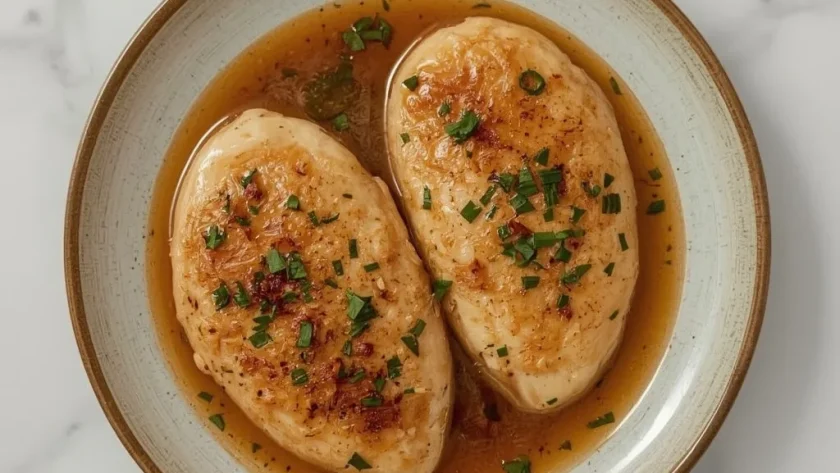
 Ina Garten’s Boneless Skinless Chicken Breasts are my go-to weeknight solution when I want something that feels special but doesn’t require a lot of fuss. The method — seared hard on the stovetop, then finished in the oven — gives you golden-brown crust and juicy meat every time, with a simple pan sauce that takes about two extra minutes.
This recipe takes just 30 minutes from start to finish, and I’d call it beginner-friendly. The only mildly tricky part is getting the pan hot enough for a proper sear without burning the butter — but once you see the oil shimmer, you are ready to go. It is perfect for a busy Tuesday or a casual dinner party.
Ina Garten Boneless Skinless Chicken Breasts Overview
This is a straightforward, no-fail method for cooking chicken breast that turns out tender and moist, not dry or tough. The trick is a two-step process: a quick stovetop sear builds flavor, and then a short roast in a hot oven finishes the cooking gently. The pan sauce, made with white wine, lemon, and capers, adds a bright, briny finish that wakes up the mild chicken.
The recipe comes from Ina Garten’s approach to simple, elegant home cooking. It relies on good technique — patting the chicken dry, using an oven-safe skillet, and resting the meat before slicing — rather than complicated ingredients. You probably have most of what you need already.
Why This Recipe is Worth Trying
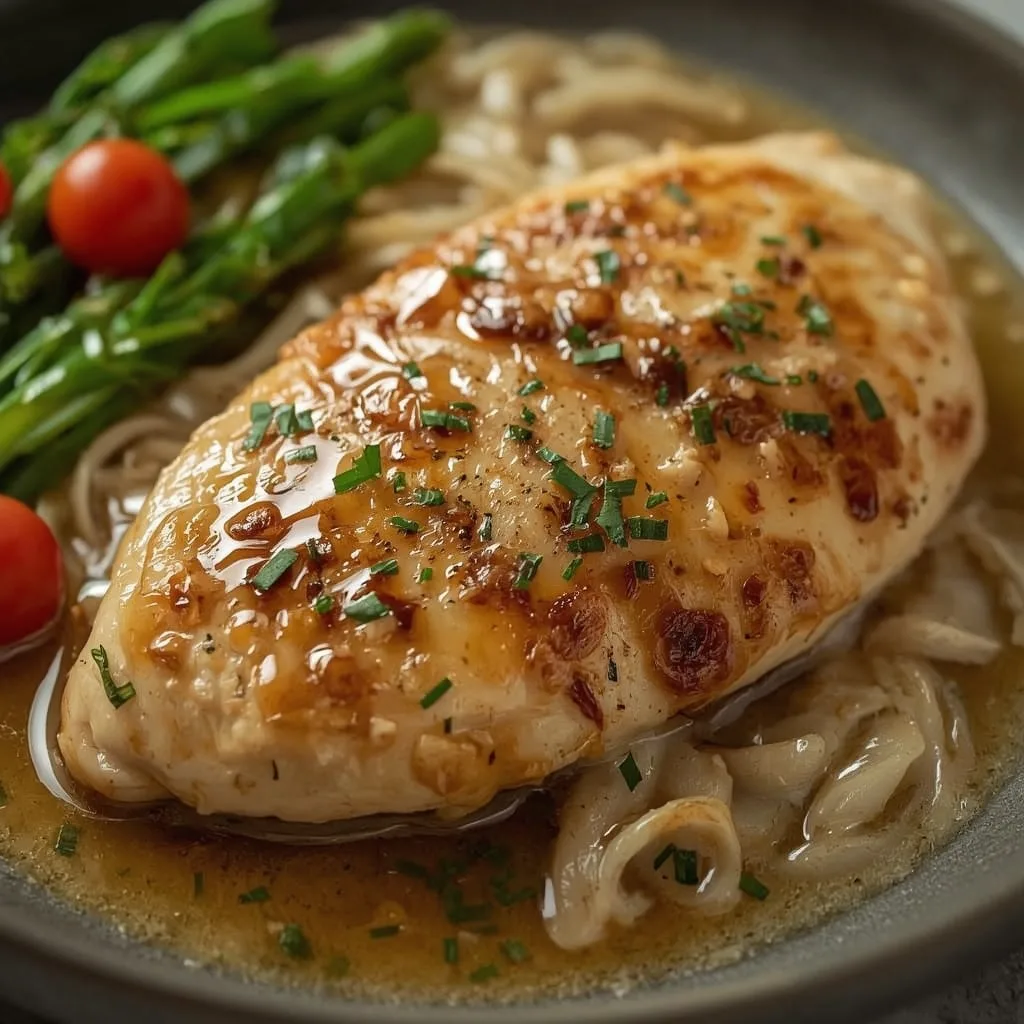
- Juicy results every time — The oven finish keeps the meat from drying out, and the 5-minute rest lets the juices settle.
- Quick enough for a weeknight — With only 10 minutes of prep and 20 minutes of cooking, it fits into a busy schedule.
- Simple ingredients — You do not need hard-to-find items. Chicken, flour, wine, stock, lemon, capers, and parsley are all standard pantry and fridge staples.
- Built-in sauce — The pan sauce comes together while the chicken rests, so there is no separate step or extra cleanup.
- Easy to scale — The recipe serves 4, but you can halve or double it without changing the method. Just avoid crowding the pan.
- Pairs well with almost anything — Serve it with roasted vegetables, rice, pasta, or a simple salad. The sauce works with all of them.
Ingredients You’ll Need for This Recipe
Here is exactly what you need, organized by category. All measurements come straight from the recipe data.
Protein and Seasoning
- 4 boneless, skinless chicken breast halves (about 6 oz / 170 g each) — Look for breasts that are roughly even in thickness so they cook at the same rate. If some are much thicker, pound them gently to 1/2-inch thickness.
- Kosher salt and freshly ground black pepper, to taste — Kosher salt dissolves evenly and seasons better than table salt. Season both sides just before flouring.
- 2 tablespoons all-purpose flour — This creates the crust and thickens the pan sauce later. It also helps the chicken brown evenly.
For the Sear and Sauce
- 2 tablespoons olive oil — Use a good-quality extra virgin or a standard olive oil. It needs a high smoke point for searing.
- 1 tablespoon unsalted butter — Added after flipping, it foams and helps baste the chicken for extra richness.
- 1/2 cup dry white wine, such as Sauvignon Blanc — The acidity brightens the sauce. Avoid sweet wines like Riesling. If you do not have wine, substitute with an extra 1/4 cup chicken stock plus 1 tablespoon lemon juice.
- 1/2 cup chicken stock, preferably low-sodium — Low-sodium lets you control the salt level. Homemade works great too.
- 2 tablespoons freshly squeezed lemon juice (from 1 lemon) — Fresh juice is noticeably brighter than bottled. Roll the lemon on the counter before cutting to get more juice.
- 2 tablespoons capers, drained — These add a salty, briny pop. Rinse them quickly if they are packed in salt, but draining is enough for brined capers.
- 2 tablespoons fresh parsley, finely chopped — Fresh parsley adds color and a clean finish. Flat-leaf (Italian) parsley has more flavor than curly.
Useful Equipment
- Oven-safe skillet (cast iron or stainless steel) — This is essential. It must go from stovetop to oven. Cast iron holds heat beautifully; stainless steel works well too. Avoid non-stick for the best sear.
- Instant-read thermometer — This is the only reliable way to know when the chicken is done without cutting into it. Aim for 160°F before resting.
- Tongs — Tongs give you better control when flipping the chicken than a spatula. Use ones with a silicone or metal grip.
- Wooden spoon or spatula — Needed for scraping up the browned bits during deglazing. A metal spatula works too, but avoid scratching non-stick pans.
- Cutting board and aluminum foil — The board is for slicing, and the foil tent keeps the chicken warm while it rests.
Steps to Make Ina Garten Boneless Skinless Chicken Breasts
Here is the full process in clear steps. Follow them in order, and you will end up with tender, juicy chicken and a flavorful pan sauce.
- Preheat and prep — Set the oven to 400°F. Pat the chicken dry with paper towels, then season both sides generously with salt and pepper. Place flour on a shallow plate.
- Dredge the chicken — Coat each seasoned breast in the flour, shaking off the excess. This thin layer helps the crust form and thickens the sauce later.
- Sear the first side — Heat the olive oil in the oven-safe skillet over medium-high heat until it shimmers and flows like water. Add the chicken in a single layer. Cook without moving for 3 to 4 minutes, until the underside is deep golden brown and releases easily.
- Flip and baste — Flip with tongs. Add the butter and let it melt and foam. Cook the second side for 2 minutes, basting the chicken with the melted butter and oil using a large spoon.
- Finish in the oven — Transfer the skillet to the oven. Roast for 8 to 10 minutes, until an instant-read thermometer reads 160°F when inserted into the thickest part.
- Rest the chicken — Move the chicken to a cutting board and tent with foil. Let rest for 5 minutes. Do not skip this — it keeps the meat moist.
- Make the pan sauce — Return the skillet to medium heat. Add the white wine and scrape up the browned bits with a wooden spoon. Let the wine simmer until reduced by half, about 2 minutes.
- Finish the sauce — Add the chicken stock and lemon juice, whisking. Simmer for 2 to 3 minutes until it thickens slightly and coats the back of a spoon. Stir in the capers.
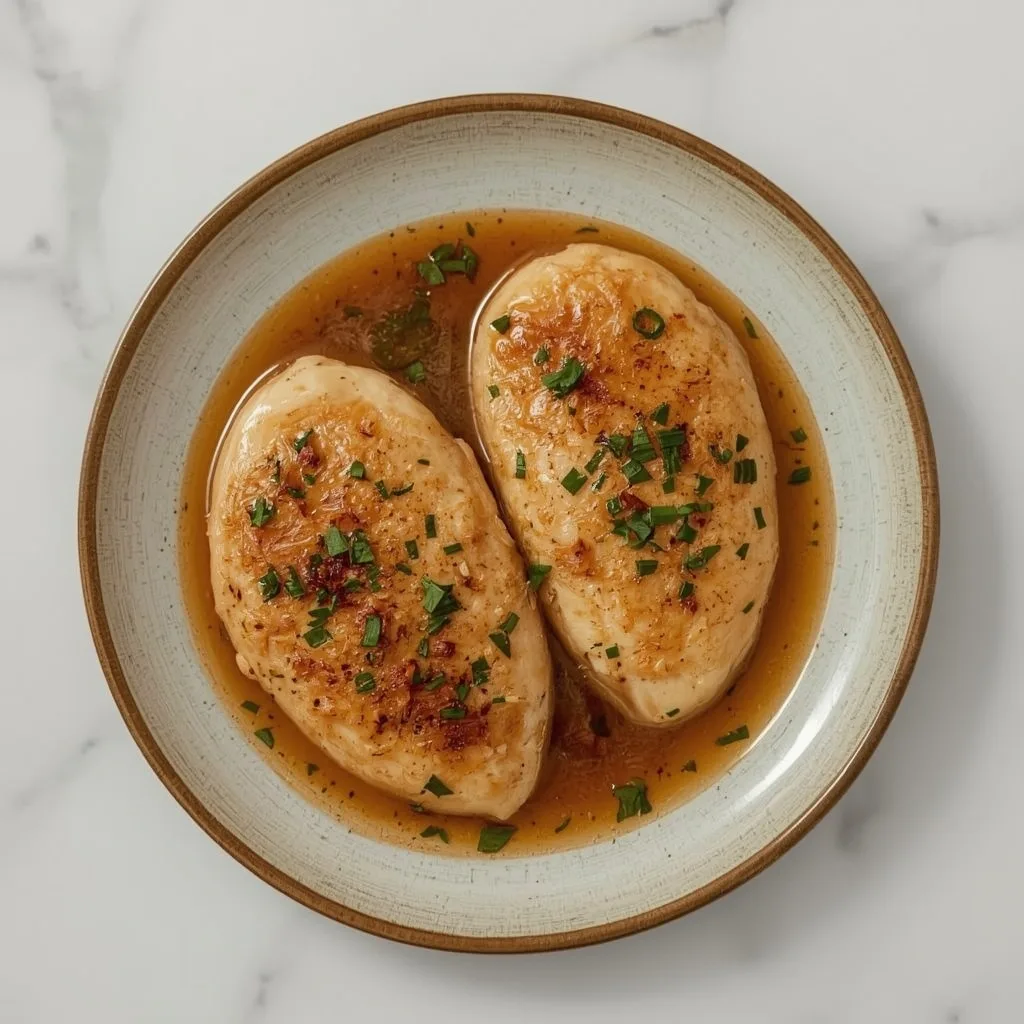
- Slice and serve — Slice each breast against the grain into 1/2-inch-thick slices. Arrange on a platter, spoon the sauce over the top, and garnish with chopped parsley.
What Went Wrong and How I Fixed It
- Chicken stuck to the pan — The most common problem is moving the chicken too soon. Wait until the underside is deep golden brown; it will release naturally. If it resists, wait another 30 seconds.
- Overcooked, dry meat — This happens when you rely on time alone. Use a thermometer. Remove the chicken at 160°F, not 165°F, because it will carry-over cook while resting.
- No crust formed — The pan might not have been hot enough. The oil should shimmer before you add the chicken. Also, make sure the chicken is patted very dry — moisture prevents browning.
- Grainy or separated sauce — If the sauce looks broken, the pan was too hot when you added the wine. Reduce the heat to medium and whisk constantly while deglazing.
- Chicken cooked unevenly — Breasts that vary in thickness cook at different rates. Pound thicker ends to an even 1/2-inch thickness before seasoning.
- Too much salt overall — Capers and chicken stock both add salt. Start with less salt on the chicken if you use brined capers or full-sodium stock.
Ways to Make Ina Garten Boneless Skinless Chicken Breasts Healthier
- Reduce the oil — Use 1 tablespoon olive oil instead of 2. The butter helps with browning, so the sear still works well.
- Swap the flour — Use whole wheat flour or almond flour for a higher fiber or lower carb option. The crust will be slightly different but still golden.
- Cut the butter — Omit the butter entirely. The olive oil alone provides enough fat for basting. The sauce will be a bit less rich, but still flavorful.
- Boost the vegetables — Add a handful of spinach or arugula to the pan sauce just before serving. It wilts quickly and adds nutrients without changing the flavor much.
- Use low-sodium everything — Choose low-sodium chicken stock and reduce the added salt. Rinse capers if they are packed in salt. This can cut the sodium by about 100mg per serving.
Alternative Ingredients for Ina Garten Boneless Skinless Chicken Breasts
- Chicken breast → boneless, skinless chicken thighs — Thighs stay even juicier and are more forgiving. Cook time may increase by 2 to 3 minutes. The rest of the method stays the same.
- Dry white wine → dry vermouth — Vermouth has a similar acidity and works perfectly. Use the same amount. It also lasts longer in the pantry.
- Chicken stock → vegetable stock — Vegetable stock keeps the sauce vegetarian-friendly and adds a slightly sweeter note. Use the same 1/2 cup.
- Lemon juice → white wine vinegar — White wine vinegar has a similar sharpness. Use 1 1/2 tablespoons instead of 2, as it is more acidic. Adjust to taste.
- Capers → chopped green olives — Green olives provide the same briny, salty pop. Use 2 tablespoons of chopped olives. Pitted ones are easiest.
- Fresh parsley → fresh chives or basil — Chives add a mild onion note; basil brings a sweet, peppery flavor. Both work well as a garnish.
What to Serve With Ina Garten Boneless Skinless Chicken Breasts
The bright, savory pan sauce pairs nicely with a variety of sides. Here are a few tried-and-true options.
- Simple roasted asparagus — Toss asparagus with olive oil, salt, and pepper. Roast at 400°F for 10 to 12 minutes. The crisp-tender texture complements the tender chicken.
- Buttered egg noodles — Wide egg noodles tossed with a little butter and parsley soak up the extra sauce beautifully. Cook them while the chicken rests.
- Light arugula salad with lemon vinaigrette — The peppery arugula and bright dressing echo the lemon and caper flavors in the sauce. A simple vinaigrette is all you need.
- Crusty bread or garlic bread — A good baguette or ciabatta is perfect for mopping up every drop of the pan sauce. Toast it lightly for extra crunch.
- Mashed potatoes or cauliflower mash — Creamy mashed potatoes provide a neutral base that lets the sauce shine. Cauliflower mash keeps it lower in carbs.
- Steamed green beans with almonds — Green beans add a fresh, snappy texture. Toasted sliced almonds on top add a bit of crunch and nutty flavor.
Best Tips for Ina Garten Boneless Skinless Chicken Breasts
- Pat the chicken very dry — Excess moisture creates steam, which prevents browning. Use paper towels and press firmly. Let it sit uncovered for a minute if needed.
- Season just before flouring — Salting too early draws out moisture. Sprinkle salt and pepper, then immediately dredge in flour. This keeps the crust intact.
- Let the oil get hot enough — The oil should shimmer and flow easily, not just ripple. If it smokes, it is too hot — remove the pan from heat for a moment to cool slightly.
- Do not crowd the pan — If you are cooking more than 4 breasts, work in batches. Overcrowding drops the pan temperature and causes steaming instead of searing.
- Use the carry-over heat — Pull the chicken at 160°F. As it rests under foil, the internal temperature will climb to a safe 165°F without overcooking the outer layers.
- Deglaze promptly — The browned bits (fond) harden if the pan cools too much. Start deglazing as soon as you remove the chicken. The wine loosens them easily.
- Slice against the grain — Cutting the cooked breast against the grain shortens the muscle fibers, making each bite more tender and less chewy.
Unique Takes on Ina Garten Boneless Skinless Chicken Breasts
- Italian-style — Replace the capers with 2 tablespoons of chopped sun-dried tomatoes and add 1/2 teaspoon dried oregano to the sauce. Garnish with fresh basil.
- Spicy version — Add 1/4 teaspoon red pepper flakes to the flour before dredging. After making the sauce, stir in 1 tablespoon of chopped pickled jalapeños for extra heat.
- Mushroom and thyme — After flipping the chicken, add 1 cup of sliced cremini mushrooms to the skillet. Cook with the chicken, then finish the sauce with fresh thyme leaves instead of parsley.
- Creamy mustard sauce — After deglazing, whisk in 1 tablespoon of Dijon mustard and 1/4 cup of heavy cream along with the stock. Omit the capers for a milder flavor.
- Lemon-herb crust — Add 1 tablespoon of finely grated lemon zest and 1 tablespoon of dried breadcrumbs to the flour mixture. The zest adds brightness; the breadcrumbs make the crust extra crispy.
- Garlic and anchovy — Add 2 minced garlic cloves to the pan after flipping the chicken. Stir in 1 mashed anchovy fillet (optional) with the wine. This deepens the umami flavor without tasting fishy.
How to Store Ina Garten Boneless Skinless Chicken Breasts
- Refrigerator storage — Place leftover chicken and sauce in an airtight container. It stays good for up to 3 days. Keep the sauce separate if possible to prevent the chicken from getting soggy.
- Freezing the chicken — Wrap cooled chicken pieces tightly in plastic wrap, then place in a freezer-safe bag. Squeeze out as much air as possible. Freeze for up to 2 months.
- Freezing the sauce — Pour the cooled sauce into a separate freezer-safe bag or small container. Freeze it separately so you can thaw only what you need. It keeps for 2 months as well.
- Label everything — Write the date and contents on each bag or container. This avoids guessing later. Frozen chicken and sauce thaw at different rates, so labeling helps with planning.
- Thaw properly — Move frozen chicken to the refrigerator the night before you plan to reheat. Do not thaw at room temperature, which can encourage bacterial growth.
How to Reheat Ina Garten Boneless Skinless Chicken Breasts
- Stovetop method — Place the chicken and a splash of chicken stock or water in a covered skillet over medium heat. Warm for about 5 minutes, flipping once, until heated through. This method retains moisture best.
- Oven method — Preheat the oven to 350°F. Place the chicken in an oven-safe dish, add a tablespoon of stock or water, and cover with foil. Heat for 10 minutes, then uncover for the last 2 minutes if you want to crisp the crust slightly.
- Microwave method — Place chicken on a microwave-safe plate, cover with a damp paper towel, and microwave on medium power in 30-second intervals. This is the fastest method, but the texture will be less juicy.
- Air fryer method — Set the air fryer to 350°F. Place chicken in the basket in a single layer and heat for 3 to 4 minutes, flipping once. The crust will crisp up nicely, but watch closely to avoid drying out.
FAQs
Can I freeze Ina Garten Boneless Skinless Chicken Breasts?
Yes. Cool the chicken completely, then wrap it tightly in plastic wrap and place in a freezer-safe bag. It stays good for up to 2 months. Freeze the sauce separately for best results.
How do I keep the chicken from drying out?
The two biggest factors are not overcooking and letting it rest. Use an instant-read thermometer to pull the chicken at 160°F, and always let it rest for 5 minutes under foil before slicing.
Can I use chicken thighs instead of breasts?
Absolutely. Boneless, skinless chicken thighs work well with the same method. They may need an extra 2 to 3 minutes in the oven. The final internal temperature should still reach 165°F after resting.
How long does Ina Garten Boneless Skinless Chicken Breasts last in the fridge?
Stored in an airtight container, it stays fresh for up to 3 days. Keep the sauce separate to avoid sogginess. Reheat using one of the methods above for best texture.
What can I use instead of white wine?
You can substitute the 1/2 cup white wine with an additional 1/4 cup chicken stock mixed with 1 tablespoon lemon juice. This keeps the acidity without the alcohol. Dry vermouth also works well as a direct swap.
Why is my sauce too thin?
The sauce may need more time to reduce. Simmer it for an extra 1 to 2 minutes until it coats the back of a spoon. Alternatively, whisk in 1 teaspoon of cornstarch mixed with 1 tablespoon cold water and simmer briefly.
Nutritional Breakdown (Per Serving)
Based on 1 serving = 1 chicken breast with sauce.
- Calories: 295
- Protein: 35g
- Fat: 12g
- Carbohydrates: 5g
- Fiber: 0.3g
- Sugar: about 0.6g
- Sodium: around 420mg
Conclusion
This method for Ina Garten’s Boneless Skinless Chicken Breasts turns an often-dry cut into something reliably moist and flavorful. The sear, the rest, and the quick pan sauce are all straightforward techniques that deliver every time. If you have been stuck in a chicken-breast rut, this recipe is a simple way to mix things up — give it a try with your favorite side and see for yourself.
PrintIna Garten Boneless Skinless Chicken Breasts
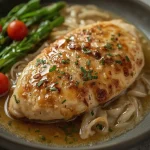
A simple yet elegant preparation of boneless skinless chicken breasts, seared to golden perfection on the stovetop and finished in a hot oven for juicy, tender results. The pan sauce, enriched with white wine and lemon, adds a bright and savory finish that complements the mild flavor of the chicken.
- Prep Time: 10
- Cook Time: 20
- Total Time: 30
- Yield: 4 1x
- Category: Main Course
- Method: Stovetop and Oven
- Cuisine: American
Ingredients
- 4 boneless, skinless chicken breast halves (about 6 oz / 170 g each)
- Kosher salt and freshly ground black pepper, to taste
- 2 tablespoons all-purpose flour
- 2 tablespoons olive oil
- 1 tablespoon unsalted butter
- 1/2 cup dry white wine, such as Sauvignon Blanc
- 1/2 cup chicken stock, preferably low-sodium
- 2 tablespoons freshly squeezed lemon juice (from 1 lemon)
- 2 tablespoons capers, drained
- 2 tablespoons fresh parsley, finely chopped
Instructions
- Preheat your oven to 400°F (200°C). Place an oven-safe skillet (such as cast iron or stainless steel) on the stovetop over medium-high heat. Pat the chicken breasts dry with paper towels to remove excess moisture, which ensures a good sear; then season both sides generously with kosher salt and black pepper.
- Place the all-purpose flour on a shallow plate. Dredge each seasoned chicken breast in the flour, shaking off any excess. The flour will help create a golden-brown crust and will later thicken the pan sauce.
- Add the olive oil to the hot skillet and swirl to coat the bottom. When the oil shimmers and flows like water, carefully place the chicken breasts in the skillet in a single layer (work in two batches if necessary to avoid crowding). Cook without moving for 3 to 4 minutes, until the underside is deep golden brown and releases easily from the pan.
- Using tongs, flip each chicken breast over. Add the unsalted butter to the skillet and let it melt and foam. Cook the second side for 2 minutes, basting the chicken with the melted butter and oil using a large spoon. The surface should be evenly browned.
- Transfer the entire skillet to the preheated oven. Roast the chicken breasts for 8 to 10 minutes, or until an instant-read thermometer inserted into the thickest part reads 160°F (71°C). The chicken will continue to cook as it rests, reaching a safe final internal temperature of 165°F (74°C).
- Using oven mitts, carefully remove the hot skillet from the oven. Transfer the chicken breasts to a cutting board and tent loosely with aluminum foil. Let rest for 5 minutes; this allows the juices to redistribute throughout the meat, keeping it moist.
- Place the skillet back on the stovetop over medium heat. Add the white wine and scrape up any browned bits from the bottom of the pan with a wooden spoon. This deglazing step incorporates all the flavorful fond into the sauce. Let the wine simmer until reduced by half, about 2 minutes.
- Add the chicken stock and lemon juice to the skillet, whisking to combine. Continue to simmer for 2 to 3 minutes, until the sauce thickens slightly and coats the back of a spoon. Stir in the drained capers for a briny pop of flavor.
- Slice each chicken breast against the grain into 1/2-inch-thick slices for tenderness. Arrange the slices on a serving platter, then spoon the pan sauce over the top. Garnish with the chopped fresh parsley and serve immediately.
Notes
Storage: Store leftover chicken in an airtight container in the refrigerator for up to 3 days. Freezing: Wrap cooled chicken and sauce separately in freezer-safe bags; freeze for up to 2 months. Reheating: To retain moisture, reheat chicken in a covered skillet over medium heat with a splash of chicken stock or water until warmed through (about 5 minutes), or reheat in a 350°F (175°C) oven for 10 minutes.
Nutrition
- Calories: 295
- Sugar: 0.6g
- Sodium: 420mg
- Unsaturated Fat: 3.2g
- Carbohydrates: 5g
- Fiber: 0.3g
- Protein: 35g
- Cholesterol: 98mg
Keywords: boneless skinless chicken breasts, Ina Garten chicken, easy chicken recipe, weeknight dinner, pan-seared chicken, oven-finished chicken, lemon chicken, white wine chicken, quick chicken dinner, American cuisine, chicken breast recipe, healthy chicken