
 Garin Elwood
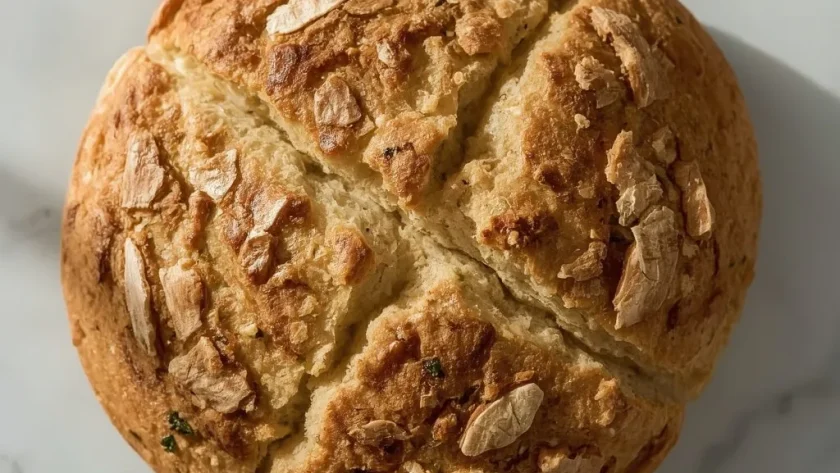
 Ina Garten Irish Soda Bread is a crusty, tender quick bread that comes together in minutes. It has a soft, tangy crumb thanks to buttermilk and a touch of caraway, making it a perfect loaf for any meal.
This recipe takes just 10 minutes of prep and 45 minutes to bake, making it beginner-friendly. The only tricky part is handling the sticky, shaggy dough without overworking it.
Ina Garten Irish Soda Bread Overview
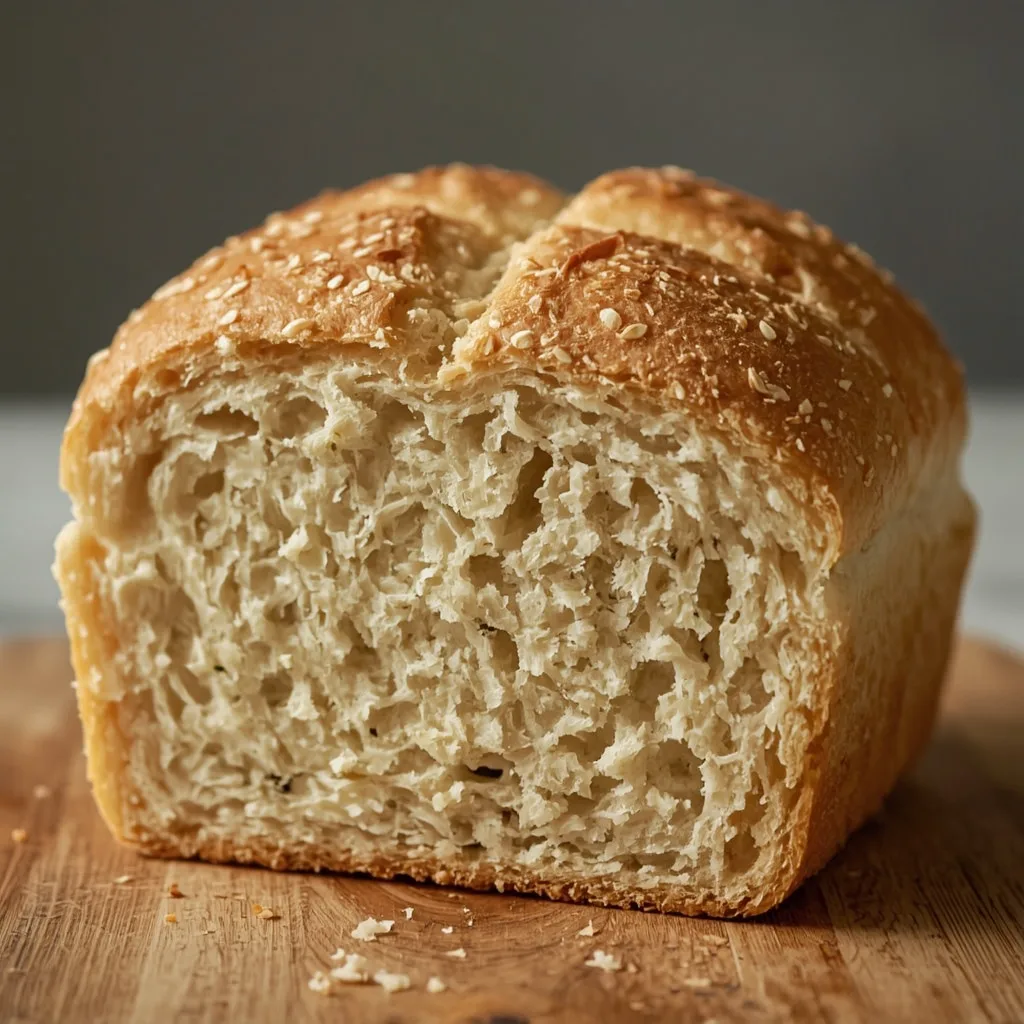
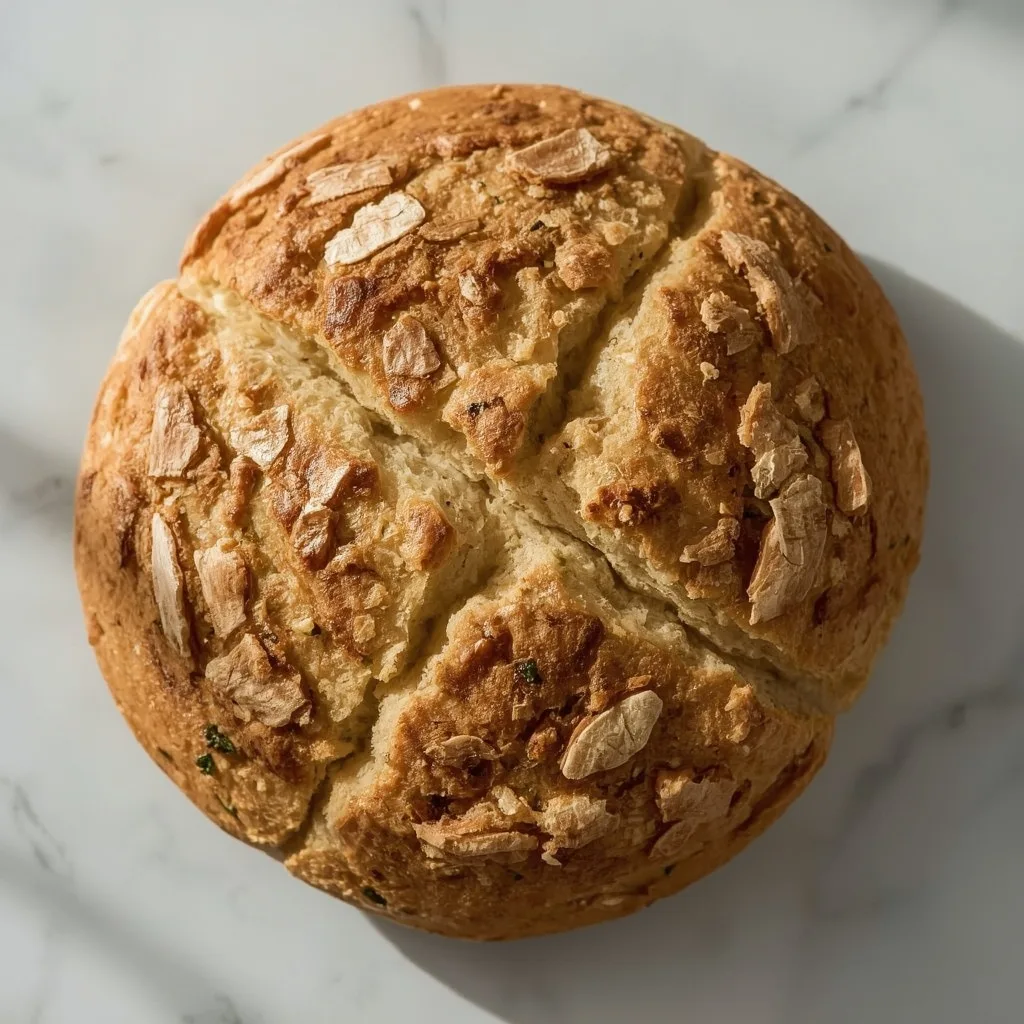
This is a traditional Irish quick bread that uses baking soda instead of yeast for leavening. The reaction between baking soda and acidic buttermilk creates the rise, giving the loaf its signature dense-yet-tender texture. The crust turns deeply golden and crisp, while the interior stays soft and slightly tangy.
Currants or raisins add little bursts of sweetness throughout. Caraway seeds are optional but traditional, lending a subtle herbal note that pairs beautifully with the tangy buttermilk. The deep cross slashed on top isn’t just decorative — it helps the bread bake evenly and prevents the sides from cracking.
Why This Recipe is Worth Trying
This bread delivers serious flavor with very little effort. Here is why you should add it to your rotation.
- No yeast, no waiting — You skip all proofing and rising time. Mix the dough, shape it, and bake immediately.
- Pantry-friendly ingredients — Flour, sugar, salt, baking soda, and buttermilk are all you need. Currants and caraway are nice but optional.
- Ready in under an hour — With only 10 minutes of active prep, you can have warm bread on the table in 55 minutes total.
- Perfect for beginners — There is no kneading, no special technique, and no worrying about killing yeast. The dough is forgiving as long as you don’t overmix.
- Versatile serving options — Serve it with butter and jam for breakfast, alongside soup for lunch, or with a cheese board for a simple appetizer.
- Freezes beautifully — Bake an extra loaf to stash in the freezer for busy weeks. It reheats well and tastes almost fresh-baked.
Ingredients You’ll Need for This Recipe
You only need eight ingredients to make this bread. Most are pantry staples you probably already have.
Dry Ingredients
- 3 cups all-purpose flour (360g), plus more for dusting — All-purpose flour gives the perfect tender crumb. Bread flour would make it too chewy for this style of bread.
- 1 tablespoon granulated sugar — Just enough to balance the tangy buttermilk without making the bread sweet. Use a full tablespoon, not a heaping one.
- 1 teaspoon kosher salt — Kosher salt dissolves evenly and seasons the bread throughout. If using table salt, reduce to ¾ teaspoon.
- 1 teaspoon baking soda — This is the only leavening agent. Make sure yours is fresh — test it by dropping a pinch into vinegar; it should bubble vigorously.
Wet Ingredients & Add-Ins
- 1 ½ cups cold buttermilk, well-shaken — Cold buttermilk slows the reaction with baking soda, giving you extra time to shape the dough. Shake the carton well before measuring because buttermilk separates.
- 1 cup dried currants or raisins — Currants are smaller and more evenly distributed, but raisins work perfectly. Toss them in flour first to prevent sinking.
- 2 teaspoons caraway seeds (optional) — Traditional in Irish soda bread, caraway adds a slightly licorice-like flavor. Skip them if you prefer a plain loaf.
- 1 large egg beaten with 1 tablespoon water, for egg wash — This gives the crust a deep golden, glossy finish. You can skip it for a more rustic look, but the color won’t be as rich.
Useful Equipment
You don’t need much to make this bread. Here is what you will use.
- Half-sheet pan — A standard 18×13-inch baking sheet gives the loaf room to expand. Line it with parchment for easy cleanup.
- Large mixing bowl — You need enough space to whisk the dry ingredients and then stir in the buttermilk without the flour spilling everywhere.
- Rubber spatula — A spatula is gentler than a wooden spoon and helps you fold the dough just until it comes together. Your hands work too.
- Sharp chef’s knife or lame — You need a very sharp blade to score the deep X across the top. A dull knife will drag and deflate the dough.
- Wire cooling rack — Cooling the bread on a rack prevents the bottom from getting soggy. Let it cool at least 30 minutes before slicing.
Steps to Make Ina Garten’s Irish Soda Bread
Follow these steps exactly, and you will have a perfect loaf on the first try. The key is moving quickly once the buttermilk hits the flour.
- Preheat and prep — Preheat the oven to 375°F (190°C) with a rack in the middle position. Line a half-sheet pan with parchment paper and set aside. The hot oven gives the loaf immediate oven spring for a crisp crust.
- Whisk dry ingredients — In a large mixing bowl, whisk together the all-purpose flour, granulated sugar, kosher salt, and baking soda. Whisk thoroughly to aerate the flour and evenly distribute the leavening so there are no bitter pockets of baking soda.
- Add currants and caraway — Add the dried currants and caraway seeds (if using) to the flour mixture. Toss with your fingers until the currants are evenly coated in flour — this prevents them from sinking to the bottom of the loaf during baking.
- Make a well and add buttermilk — Make a well in the center of the dry ingredients. Pour the cold buttermilk into the well in one addition. Cold buttermilk reacts more slowly with the baking soda, giving you a few extra moments to gently combine the dough before the gas begins releasing.
- Stir until shaggy — Using a rubber spatula or your hands, stir the mixture just until a shaggy, sticky dough forms. Do not overmix or knead. Overworking the dough activates the gluten and results in a tough, dense loaf instead of the tender, cake-like crumb you want.
- Shape into a round — Turn the dough out onto a generously floured work surface. Lightly flour your hands and the top of the dough. With quick, gentle motions, pat the dough into a round about 6 inches in diameter and 2 inches high. Avoid pressing too hard; you want to shape it without deflating the air bubbles.
- Score the top — Transfer the round to the prepared baking sheet. Using a sharp chef’s knife or a lame, score a deep X across the top of the loaf, cutting about ½ inch deep. This cross allows the bread to expand evenly and prevents cracking on the sides.
- Apply egg wash — Brush the top and sides of the dough with the egg wash. The egg wash gives the finished loaf a deep golden, glossy crust and helps the cross-cut remain visible.
- Bake — Bake for 40 to 45 minutes, rotating the pan halfway through, until the bread is deep golden brown and a skewer inserted into the center comes out clean. Internal temperature should reach 190°F (88°C) for a fully baked interior.
- Cool before slicing — Remove the bread from the oven and transfer to a wire rack. Let cool for at least 30 minutes before slicing. Cooling allows the steam to redistribute and the crumb to set; slicing too early will result in a gummy texture.
What Went Wrong and How I Fixed It
Here is what tripped me up the first few times I made soda bread. These fixes are the same ones I share with readers who email me.
- Dense, heavy loaf — You probably overmixed the dough. Soda bread needs a light hand — stir just until the flour disappears. Any further mixing develops gluten and creates toughness.
- Currants all sank to the bottom — You skipped tossing them in flour first. Coating the dried fruit in the flour mixture suspends them throughout the dough instead of letting them fall during baking.
- Crust was pale and soft — You forgot the egg wash, or the oven temperature was too low. Make sure your oven is fully preheated to 375°F and brush the loaf generously before baking.
- Sides cracked open during baking — The cross cut on top wasn’t deep enough. A shallow score can’t release the steam, so the bread cracks elsewhere. Cut at least ½ inch deep.
- The interior was gummy — You sliced the bread too soon. The crumb needs at least 30 minutes to set as the steam redistributes. Patience here makes a noticeable difference.
- Baking soda taste — Either the baking soda wasn’t fully mixed in, or your buttermilk wasn’t acidic enough. Whisk the dry ingredients thoroughly and always use fresh buttermilk, not milk with vinegar.
Ways to Make Ina Garten’s Irish Soda Bread Healthier
You can lighten up this bread without losing the essential character. These swaps are small but add up.
- Swap half the flour for whole wheat — Use 1 ½ cups whole wheat flour and 1 ½ cups all-purpose. Whole wheat adds fiber and a nuttier flavor, though the crumb will be slightly denser.
- Reduce the sugar — Cut the sugar to 1 teaspoon instead of 1 tablespoon. The bread will be less sweet, but the buttermilk tang still shines through beautifully.
- Use a flax egg for the wash — Mix 1 tablespoon ground flaxseed with 3 tablespoons water and let it sit 5 minutes. Brush this on instead of egg wash for a vegan option with a decent sheen.
- Skip the caraway seeds — Caraway adds flavor but no nutrition. Leaving them out keeps the loaf plain and slightly lower in calories with no noticeable difference in texture.
- Replace currants with chopped dried apricots — Dried apricots have more fiber and less sugar per serving than currants. Chop them into small pieces and toss them in flour the same way.
Alternative Ingredients for Ina Garten’s Irish Soda Bread
Running low on an ingredient? These swaps work without changing the final texture.
- All-purpose flour → bread flour — Bread flour creates a chewier, more structured loaf. The crumb will be less tender, so only use this swap if you prefer a heartier bread for toasting.
- Buttermilk → whole milk + lemon juice — Add 1 ½ tablespoons lemon juice to 1 ½ cups whole milk and let it sit 5 minutes until curdled. This mimics the acidity of buttermilk and activates the baking soda just as well.
- Currants → dried cranberries — Dried cranberries add a similar size and sweetness with a slightly tarter edge. Toss them in flour just like you would currants.
- Caraway seeds → fennel seeds — Fennel seeds have a milder, sweeter anise flavor than caraway. Use the same 2 teaspoons for a gentle twist on the traditional taste.
- Egg for wash → melted butter — Brush the top with 1 tablespoon melted butter instead of egg wash. The crust will be less shiny but still golden, with a richer buttery flavor.
What to Serve With Ina Garten Irish Soda Bread
This bread is incredibly versatile. Here is how to pair it for any meal of the day.
- Butter and good sea salt — The simplest pairing is often the best. Spread a thick layer of salted butter on a warm slice and sprinkle with flaky sea salt for a classic Irish experience.
- Rich seafood chowder — The sturdy, tangy crumb holds up beautifully when dipped into a creamy clam or fish chowder. It soaks up the broth without falling apart.
- Sharp cheddar and apple slices — Pair a slice with aged cheddar and thin apple wedges for a quick lunch. The cheese’s sharpness and the apple’s sweetness balance the bread’s tang.
- Smoked salmon and crème fraîche — Top a slice with smoked salmon, a dollop of crème fraîche, and a few capers. This turns the bread into an elegant appetizer or light brunch item.
- Honey or orange marmalade — For a sweet breakfast, spread honey or marmalade onto a toasted slice. The sweetness contrasts with the buttermilk tang is addictive.
- Soft scrambled eggs — Serve alongside creamy scrambled eggs for a hearty weekend breakfast. The bread’s texture gives the meal substance without weighing you down.
Best Tips for Ina Garten Irish Soda Bread
These tips come from making this recipe dozens of times. They will save you from the most common mistakes.
- Check your baking soda freshness — Old baking soda won’t give enough rise. Drop a pinch into a bowl of vinegar — if it bubbles aggressively, it is still active. If not, buy a new box.
- Keep the buttermilk cold — Cold buttermilk slows the chemical reaction with baking soda, giving you more time to shape the dough before it starts puffing. Pull it from the fridge right before measuring.
- Use a light touch when shaping — Press the dough into a round gently, like you are patting a baby’s back. Heavy hands deflate the air bubbles and create a dense loaf.
- Score the cross deep and confidently — A shallow cut won’t release steam properly, so the bread cracks on the sides instead of the top. Cut decisively about ½ inch deep in one smooth motion.
- Rotate the pan halfway through — Ovens often have hot spots that brown one side faster. Rotating the pan after 20 minutes ensures even color and thorough baking.
- Use a skewer to test doneness — Insert a bamboo skewer into the center of the loaf. If it comes out clean and dry, the bread is done. An internal temperature of 190°F is also reliable.
- Cool completely on a wire rack — Never leave the bread on the hot baking sheet after baking. The trapped steam will soften the bottom crust. Transfer it to a rack immediately.
Unique Takes on Ina Garten’s Irish Soda Bread
Once you master the basic recipe, try one of these variations. Each one changes the flavor profile without complicating the method.
- Cheddar and scallion version — Fold 1 cup shredded sharp cheddar and ¼ cup sliced scallions into the dry ingredients before adding buttermilk. The cheese melts into pockets of savory goodness throughout the loaf.
- Sugar-crusted sweet version — Sprinkle 1 tablespoon coarse sugar over the egg wash before baking. The sugar melts into a crackly, sweet crust that is perfect with a cup of tea.
- Rosemary and sea salt loaf — Omit the caraway and currants, then fold in 1 tablespoon chopped fresh rosemary and ½ teaspoon flaky sea salt. This savory version is excellent alongside roasted meats.
- Orange and cranberry bread — Replace the currants with dried cranberries and add the zest of one orange to the dry ingredients. The citrus aroma fills the kitchen and pairs beautifully with the tart cranberries.
- Whole grain seeded loaf — Replace 1 cup of the all-purpose flour with whole wheat flour, then add 2 tablespoons each of sunflower seeds and pumpkin seeds. Toasting the seeds first deepens their nutty flavor.
- Brown sugar and pecan version — Swap the granulated sugar for dark brown sugar and fold in ¾ cup toasted, chopped pecans. The molasses in the brown sugar adds warmth that matches the nuts perfectly.
How to Store Ina Garten’s Irish Soda Bread
This bread stays fresh for a couple of days at room temperature. For longer storage, follow these guidelines.
- Room temperature short-term — Wrap the cooled loaf tightly in plastic wrap and keep it at room temperature for up to 2 days. Do not refrigerate — the cold air dries out the crumb faster.
- Freezer for up to 3 months — Wrap the completely cooled loaf first in foil, then place it in a freezer bag. Squeeze out as much air as possible before sealing. Label with the date.
- Sliced before freezing — Slice the cooled loaf before freezing if you plan to use it for toast. Place wax paper between slices so you can pull out individual pieces without defrosting the whole loaf.
- Avoid storing in a bread bin — Soda bread has a higher moisture content than yeast breads, so it molds faster in humid bread bins. Plastic wrap or an airtight container works better.
How to Reheat Ina Garten Irish Soda Bread
Here is how to bring this bread back to life after storage. Each method works for different purposes.
- Oven for whole loaf — Wrap the loaf in foil and warm it in a 350°F (175°C) oven for 10 to 15 minutes. This method restores the crust’s crispness and warms the interior evenly without drying it out.
- Toaster for individual slices — Place frozen or room temperature slices directly into the toaster on a medium setting. Toasting revives the texture and gives the bread a lovely crunchy exterior ideal for butter.
- Skillet for a quick warm-up — Place slices in a dry skillet over medium heat for 1 to 2 minutes per side. This method works well if you want a warm slice without turning on the oven or toaster.
FAQs
Can I freeze Ina Garten’s Irish Soda Bread?
Yes, for up to 3 months. Wrap the cooled loaf tightly in foil, place it in a freezer bag, and squeeze out excess air. Thaw at room temperature or reheat slices directly in the toaster.
How long does Ina Garten’s Irish Soda Bread last in the fridge?
I do not recommend refrigerating this bread. The fridge’s dry, cold air makes the crumb stale and crumbly within 24 hours. Keep it at room temperature for up to 2 days instead.
Why did my soda bread turn out dense and heavy?
You likely overmixed the dough or pressed too hard when shaping. Stir only until the flour disappears, and handle the dough with a light patting motion. Overworked gluten creates a tough, heavy loaf.
Can I use regular milk instead of buttermilk?
Regular milk does not have enough acidity to react with the baking soda, so the bread will not rise properly. Add 1 ½ tablespoons lemon juice or white vinegar to 1 ½ cups milk and let it sit 5 minutes — that creates a passable buttermilk substitute.
Do I have to use caraway seeds?
No, caraway seeds are completely optional. Many traditional recipes include them, but plenty of people prefer the bread without. The loaf will still taste great either way.
What is the best way to slice soda bread?
Use a serrated bread knife and gentle sawing motions. Soda bread is delicate and crumbles easily if you press down too hard. Let the bread cool for at least 30 minutes before slicing to avoid a gummy interior.
Nutritional Breakdown (Per Serving)
Based on 1 serving = 1 slice out of 4 total, this nutritional information is calculated using the ingredients listed in the recipe.
- Calories: 437
- Protein: 11g
- Fat: 3g
- Carbohydrates: 92g
- Fiber: 4g
- Sugar: 22g
- Sodium: 921mg
Conclusion
This Ina Garten Irish Soda Bread is one of the easiest and most rewarding breads you can make at home. With no yeast, no kneading, and almost no waiting, it is perfect for anyone who wants freshly baked bread without the fuss.
Give it a try this weekend. The crusty golden exterior and tangy, tender crumb will have you reaching for another slice before the first one is gone.
PrintIna Garten Irish Soda Bread
A crusty, tender quick bread with a soft, tangy crumb thanks to buttermilk and a touch of caraway. This no-yeast loaf comes together in minutes and bakes to a golden brown with a classic cross cut on top.
- Prep Time: 10
- Cook Time: 45
- Total Time: 55
- Yield: 4 1x
- Category: Bread
- Method: Baking
- Cuisine: Irish
Ingredients
- 3 cups all-purpose flour (360g), plus more for dusting
- 1 tablespoon granulated sugar
- 1 teaspoon kosher salt
- 1 teaspoon baking soda
- 1 1/2 cups cold buttermilk, well-shaken
- 1 cup dried currants or raisins
- 2 teaspoons caraway seeds (optional)
- 1 large egg beaten with 1 tablespoon water, for egg wash
Instructions
- Preheat the oven to 375°F (190°C) with a rack in the middle position. Line a half-sheet pan with parchment paper; set aside. This initial heating ensures the loaf begins baking immediately for maximum oven spring and a crisp crust.
- In a large mixing bowl, whisk together the all-purpose flour, granulated sugar, kosher salt, and baking soda. Whisking thoroughly aerates the flour and evenly distributes the leavening and salt so there are no bitter pockets of baking soda.
- Add the dried currants and caraway seeds (if using) to the flour mixture. Toss with your fingers until the currants are evenly coated in flour – this prevents them from sinking to the bottom of the loaf during baking.
- Make a well in the center of the dry ingredients. Pour the cold buttermilk into the well in one addition. Cold buttermilk reacts more slowly with the baking soda, giving you a few extra moments to gently combine the dough before the gas begins to release.
- Using a rubber spatula or your hands, stir the mixture just until a shaggy, sticky dough forms. Do not overmix or knead – overworking the dough activates the gluten and will result in a tough, dense loaf rather than the desired tender, cake-like crumb.
- Turn the dough out onto a generously floured work surface. Lightly flour your hands and the top of the dough. With quick, gentle motions, pat the dough into a round about 6 inches in diameter and 2 inches high. Avoid pressing too hard; you want to shape it without deflating the air bubbles.
- Transfer the round to the prepared baking sheet. Using a sharp chef’s knife or a lame, score a deep X across the top of the loaf, cutting about 1/2 inch deep. This cross (a traditional blessing) allows the bread to expand evenly and prevents cracking on the sides.
- Brush the top and sides of the dough with the egg wash. The egg wash gives the finished loaf a deep golden, glossy crust and helps the cross cut remain visible.
- Bake for 40 to 45 minutes, rotating the pan halfway through, until the bread is deep golden brown and a skewer inserted into the center comes out clean. Internal temperature should reach 190°F (88°C) for a fully baked interior.
- Remove the bread from the oven and transfer to a wire rack. Let cool for at least 30 minutes before slicing. Cooling allows the steam to redistribute and the crumb to set; slicing too early will result in a gummy texture.
Notes
Store leftover Irish Soda Bread wrapped tightly in plastic wrap or an airtight container at room temperature for up to 2 days. For longer storage, wrap the cooled loaf in foil then place in a freezer bag; freeze for up to 3 months. To reheat, place frozen slices directly into a toaster, or warm a whole loaf wrapped in foil in a 350°F (175°C) oven for 10-15 minutes until heated through.
Nutrition
- Calories: 437
- Sugar: 22g
- Sodium: 921mg
- Unsaturated Fat: 1g
- Carbohydrates: 92g
- Fiber: 4g
- Protein: 11g
- Cholesterol: 48mg
Keywords: Irish soda bread, quick bread, no yeast bread, buttermilk bread, caraway seed bread, St. Patrick’s Day bread, soda bread recipe, Ina Garten, crusty bread, traditional Irish bread