Ina Garten Irish Soda Bread
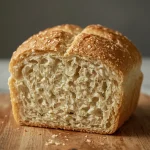
A crusty, tender quick bread with a soft, tangy crumb thanks to buttermilk and a touch of caraway. This no-yeast loaf comes together in minutes and bakes to a golden brown with a classic cross cut on top.
- Prep Time: 10
- Cook Time: 45
- Total Time: 55
- Yield: 4 1x
- Category: Bread
- Method: Baking
- Cuisine: Irish
Ingredients
- 3 cups all-purpose flour (360g), plus more for dusting
- 1 tablespoon granulated sugar
- 1 teaspoon kosher salt
- 1 teaspoon baking soda
- 1 1/2 cups cold buttermilk, well-shaken
- 1 cup dried currants or raisins
- 2 teaspoons caraway seeds (optional)
- 1 large egg beaten with 1 tablespoon water, for egg wash
Instructions
- Preheat the oven to 375°F (190°C) with a rack in the middle position. Line a half-sheet pan with parchment paper; set aside. This initial heating ensures the loaf begins baking immediately for maximum oven spring and a crisp crust.
- In a large mixing bowl, whisk together the all-purpose flour, granulated sugar, kosher salt, and baking soda. Whisking thoroughly aerates the flour and evenly distributes the leavening and salt so there are no bitter pockets of baking soda.
- Add the dried currants and caraway seeds (if using) to the flour mixture. Toss with your fingers until the currants are evenly coated in flour – this prevents them from sinking to the bottom of the loaf during baking.
- Make a well in the center of the dry ingredients. Pour the cold buttermilk into the well in one addition. Cold buttermilk reacts more slowly with the baking soda, giving you a few extra moments to gently combine the dough before the gas begins to release.
- Using a rubber spatula or your hands, stir the mixture just until a shaggy, sticky dough forms. Do not overmix or knead – overworking the dough activates the gluten and will result in a tough, dense loaf rather than the desired tender, cake-like crumb.
- Turn the dough out onto a generously floured work surface. Lightly flour your hands and the top of the dough. With quick, gentle motions, pat the dough into a round about 6 inches in diameter and 2 inches high. Avoid pressing too hard; you want to shape it without deflating the air bubbles.
- Transfer the round to the prepared baking sheet. Using a sharp chef’s knife or a lame, score a deep X across the top of the loaf, cutting about 1/2 inch deep. This cross (a traditional blessing) allows the bread to expand evenly and prevents cracking on the sides.
- Brush the top and sides of the dough with the egg wash. The egg wash gives the finished loaf a deep golden, glossy crust and helps the cross cut remain visible.
- Bake for 40 to 45 minutes, rotating the pan halfway through, until the bread is deep golden brown and a skewer inserted into the center comes out clean. Internal temperature should reach 190°F (88°C) for a fully baked interior.
- Remove the bread from the oven and transfer to a wire rack. Let cool for at least 30 minutes before slicing. Cooling allows the steam to redistribute and the crumb to set; slicing too early will result in a gummy texture.
Notes
Store leftover Irish Soda Bread wrapped tightly in plastic wrap or an airtight container at room temperature for up to 2 days. For longer storage, wrap the cooled loaf in foil then place in a freezer bag; freeze for up to 3 months. To reheat, place frozen slices directly into a toaster, or warm a whole loaf wrapped in foil in a 350°F (175°C) oven for 10-15 minutes until heated through.
Nutrition
- Calories: 437
- Sugar: 22g
- Sodium: 921mg
- Unsaturated Fat: 1g
- Carbohydrates: 92g
- Fiber: 4g
- Protein: 11g
- Cholesterol: 48mg
Keywords: Irish soda bread, quick bread, no yeast bread, buttermilk bread, caraway seed bread, St. Patrick's Day bread, soda bread recipe, Ina Garten, crusty bread, traditional Irish bread
Find it online: https://inagartendishes.com/ina-garten-irish-soda-bread/