 Garin Elwood
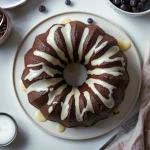
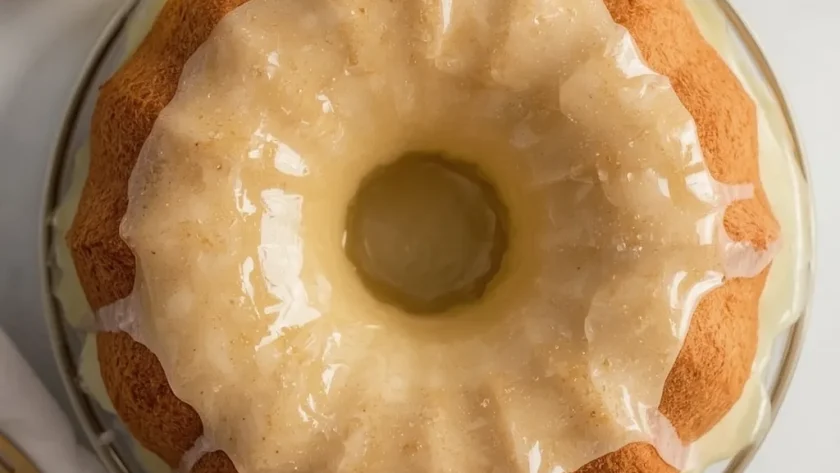
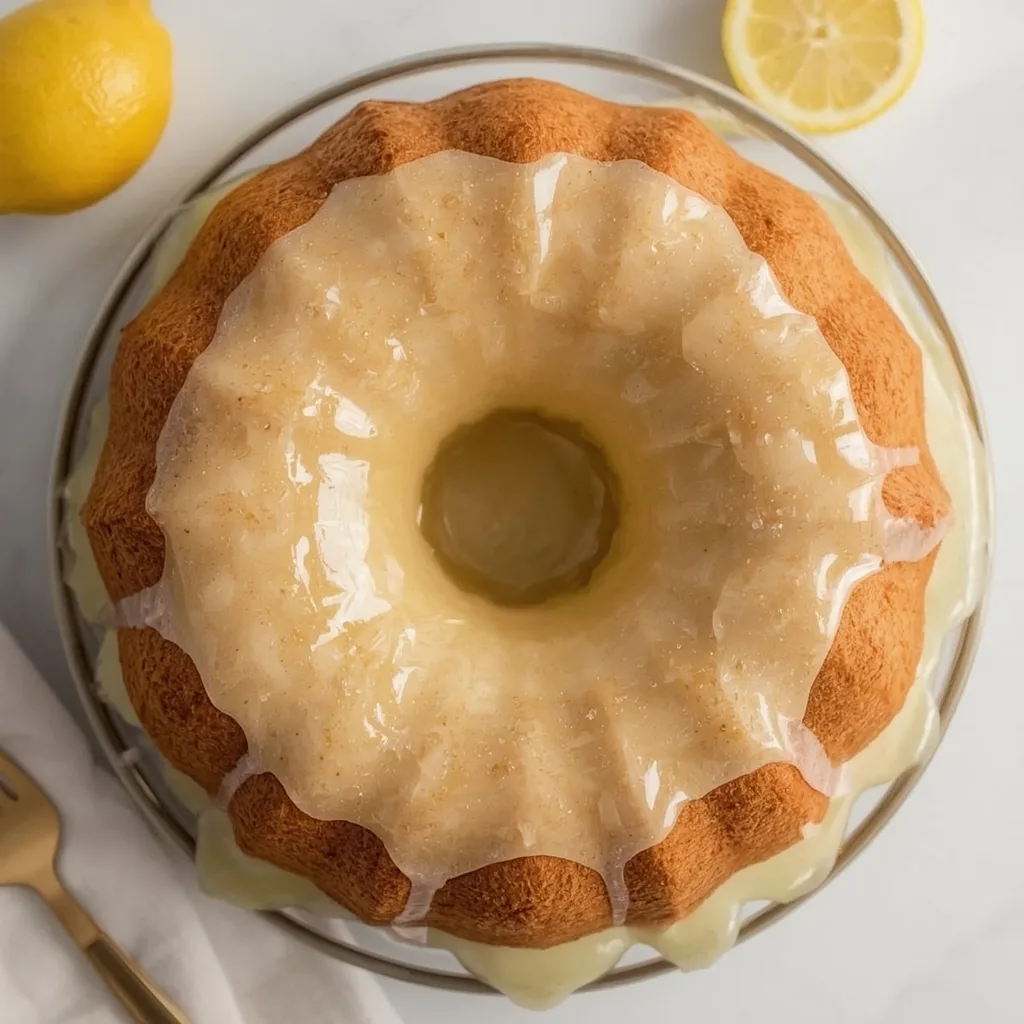
 This Ina Garten Lemon Pound Cake is exactly what you want from a classic tea cake — tender, moist, and bright with fresh citrus. The simple lemon glaze soaks into the warm crumb, creating a delicate crust that keeps every slice just sweet enough.
You need about 2 hours total, including cooling, and this is a beginner-friendly bake. The only trick is adding the liquid and dry ingredients in turns, which the recipe walks you through step by step.
Ina Garten Lemon Pound Cake Overview
This recipe delivers a dense, buttery pound cake with a clean lemon punch. It is a Barefoot Contessa staple, known for its reliable crumb and no-fuss method. The glaze does double duty — it adds sweetness and keeps the cake moist for days.
The texture lands somewhere between a quick bread and a traditional pound cake. It holds up well for slicing without crumbling, making it perfect for packed lunches or casual dessert plates. You will get a tender interior and a light golden crust from the oven.

Why This Recipe is Worth Trying
- Simple technique — The creaming method and alternate additions are easy to follow, even for a first-time baker.
- Real lemon flavor — Fresh zest and juice give a natural brightness that bottled lemon juice cannot match.
- Moist crumb — The milk mixture helps tenderize the batter, and the warm glaze locks in moisture.
- Make-ahead friendly — It stays good at room temperature for 3 days or freezes for 2 months without losing texture.
- No fancy equipment — A loaf pan, mixing bowls, and a hand mixer are all you need.
- Versatile serving — Pair it with tea, coffee, fresh berries, or a dollop of whipped cream for an easy dessert.
Ingredients You’ll Need for This Recipe
Here is everything you need, organized into groups so you can check your pantry quickly.
For the Cake Batter
- 1/2 cup unsalted butter, softened — It should be at room temperature to cream properly. Cold butter creates a dense cake; melted butter changes the structure.
- 1 cup granulated sugar — White sugar keeps the crumb light and lets the lemon flavor shine. Do not substitute brown sugar here.
- 2 large eggs, room temperature — Cold eggs cause the batter to seize. Let them sit out for 30 minutes before mixing.
- 1 and 1/2 cups all-purpose flour — Standard AP flour works fine. No need for cake flour with this ratio.
- 1/2 teaspoon baking powder — This gives just enough lift for a tender but dense crumb.
- 1/4 teaspoon kosher salt — Balances the sweetness and brightens the lemon flavor.
- 1/4 cup whole milk, room temperature — Whole milk adds richness. Lower-fat milks will work but give a slightly less tender crumb.
- 2 tablespoons freshly squeezed lemon juice — From about 1 lemon. Fresh juice is crucial — bottled juice tastes flat.
- 1 tablespoon lemon zest — From about 1 lemon. Zest before juicing for easiest handling.
For the Glaze
- 2/3 cup powdered sugar — Sift if it is lumpy to avoid a grainy glaze.
- 2 tablespoons freshly squeezed lemon juice — Use the same fresh lemon from above for consistent flavor.
Useful Equipment
- 9×5-inch loaf pan — The standard size for this recipe. An 8×4-inch pan works but may need extra baking time.
- Electric hand mixer or stand mixer — Creaming butter and sugar by hand takes too long. A mixer saves effort and gives a better texture.
- Medium mixing bowl — For whisking the dry ingredients together.
- Small bowl or liquid measuring cup — For mixing the milk, lemon juice, and zest before adding.
- Wire cooling rack — Allows air to circulate around the cake so it cools evenly and does not get soggy.
Steps to Make Ina Garten Lemon Pound Cake
The method is straightforward — cream, alternate dry and wet ingredients, bake, then glaze while warm. Pay close attention to the mixing order and cooling time.
- Prepare the pan — Preheat your oven to 350°F (177°C). Grease a 9×5-inch loaf pan with butter or non-stick spray, then dust with flour and tap out the excess. This step prevents sticking and ensures a clean release.
- Cream butter and sugar — In a large bowl, beat the softened butter and sugar together on medium speed for 3-4 minutes until light and fluffy. Scrape down the bowl once during mixing. The mixture should look pale and airy — this incorporates air for a tender crumb.
- Add eggs one at a time — Beat each egg into the butter mixture for about 30 seconds after each addition. The batter may look slightly curdled at this point; do not worry, the dry ingredients will smooth it out.
- Combine dry and wet components separately — In a medium bowl, whisk together the flour, baking powder, and salt. In a small bowl, stir together the milk, lemon juice, and lemon zest. The milk may curdle slightly — that reaction actually tenderizes the cake.
- Alternate adding dry and wet mixtures — With the mixer on low, add one-third of the flour mixture and mix until just incorporated. Add half of the milk mixture and mix. Repeat with another third of flour, the remaining milk, and finally the last of the flour. Mix only until each addition disappears — over-mixing develops gluten and makes the cake tough.
- Pour and bake — Spread the batter evenly in the prepared pan. Tap the pan gently on the counter once or twice to release air bubbles. Bake on the center rack for 50-60 minutes until the top is golden brown and a skewer inserted into the center comes out clean or with a few moist crumbs. If the top browns too quickly after 35 minutes, tent loosely with foil.
- Prepare the glaze — While the cake bakes, whisk together the powdered sugar and lemon juice in a small bowl until smooth and pourable. Set aside near the oven.
- Cool and glaze while warm — When the cake is done, let it cool in the pan on a wire rack for exactly 10 minutes. Run a knife around the edges to loosen it, then invert onto the rack. Invert again onto a serving plate so the top faces up. Immediately brush or spoon the glaze over the warm cake — the heat helps it soak into the crumb.
- Cool completely before slicing — Let the cake rest on the rack for about 45 minutes to 1 hour. This allows the crumb to set and the glaze to firm slightly, making clean slices possible.
What Went Wrong and How I Fixed It
- Dense, heavy texture — Over-mixing the batter after adding the flour develops too much gluten. Mix just until each addition disappears, then stop.
- Dry cake — The milk mixture curdling is actually good, but if your cake bakes too long it dries out. Start checking at 50 minutes with a skewer.
- Glaze runs off completely — If the cake is too hot, the glaze slides right off. Wait the full 10 minutes after baking before glazing.
- Top browns too early — Your oven might run hot, or the pan is too close to the top element. Tent with foil at the 35-minute mark.
- Sticks to the pan — Skipping the flour dusting after greasing is the main culprit. Always dust with flour and tap out the excess.
- Sinking in the middle — Underbaking is the usual cause. Ensure the skewer comes out clean before removing from the oven.
Ways to Make Ina Garten’s Lemon Pound Cake Healthier
- Reduce sugar in the cake — Cut the granulated sugar to 3/4 cup. The cake will be slightly less sweet but still tender.
- Swap half the butter — Use 1/4 cup unsweetened applesauce for 1/4 cup of the butter. This cuts fat and adds a touch of natural sweetness.
- Use whole wheat pastry flour — Replace 1/2 cup of the all-purpose flour with whole wheat pastry flour for extra fiber without a heavy texture.
- Skip the glaze — Omit the powdered sugar glaze entirely. Dust the cooled cake with a light sprinkle of powdered sugar or nothing at all.
- Choose lower-fat milk — 2% or skim milk works fine. The cake will be slightly less rich but still moist.
Alternative Ingredients for Ina Garten’s Lemon Pound Cake
- Unsalted butter → salted butter — Use 1/2 cup salted butter and omit the 1/4 teaspoon kosher salt from the recipe.
- Whole milk → buttermilk — Use 1/4 cup buttermilk instead of whole milk. The tangy flavor pairs wonderfully with lemon and keeps the crumb tender.
- All-purpose flour → gluten-free 1:1 blend — Use 1 and 1/2 cups of a cup-for-cup gluten-free flour blend (with xanthan gum). Results are similar, though the crumb may be slightly more delicate.
- Granulated sugar → coconut sugar — Use 3/4 cup coconut sugar for a less refined option. The cake will be darker and have a mild caramel note.
- Lemon juice → lime juice — Use 2 tablespoons fresh lime juice in the cake and 2 tablespoons in the glaze for a lime pound cake variation.
What to Serve With Ina Garten Lemon Pound Cake
The bright citrus flavor pairs well with simple accompaniments that do not compete.
- Fresh berries — A handful of raspberries or blueberries on the side adds a tart contrast and a pop of color.
- Whipped cream — A dollop of lightly sweetened whipped cream balances the dense cake and adds a creamy texture.
- Hot tea — Earl Grey or chamomile complements the lemon without overwhelming the flavor.
- Vanilla ice cream — A scoop of good-quality vanilla ice cream turns this into a quick dessert.
- Citrus salad — Orange or grapefruit segments with a drizzle of honey make a refreshing side.
Best Tips for Ina Garten’s Lemon Pound Cake
- Room temperature ingredients matter — Butter, eggs, and milk should all sit out for 30-45 minutes before starting. Cold ingredients do not cream or blend properly.
- Zest before juicing — It is much easier to zest a whole lemon than a squeezed half. Zest first, then halve and juice.
- Do not skip the flour dusting — Greasing alone is not enough. The thin flour layer creates a non-stick barrier that helps the cake release cleanly.
- Watch the mixing time after adding flour — Once the flour goes in, mix just until you no longer see white streaks. Extra mixing develops gluten and toughens the cake.
- Glaze while the cake is warm, not hot — Exactly 10 minutes of cooling in the pan is the sweet spot. Too hot and the glaze runs off; too cool and it sits on top instead of soaking in.
- Use a serrated knife for slicing — A serrated blade cuts through the tender crumb without crushing it. Let the cake cool completely before cutting.
Unique Takes on Ina Garten Lemon Pound Cake
- Lavender-lemon version — Add 1 teaspoon dried culinary lavender to the dry ingredients. The floral notes pair beautifully with lemon.
- Poppy seed twist — Stir 2 tablespoons of poppy seeds into the batter with the last addition of flour. A classic lemon-poppy seed combination.
- Blueberry swirl — Fold 1 cup fresh or frozen blueberries into the batter just before pouring into the pan. Gently swirl for a marbled effect.
- Coconut-lime variation — Substitute lime juice and zest for the lemon, and fold 1/2 cup shredded unsweetened coconut into the batter.
- Gluten-free version — Use a 1:1 gluten-free flour blend as noted in the alternative ingredients. Add 1/2 teaspoon xanthan gum if your blend does not include it.
How to Store Ina Garten Lemon Pound Cake
- At room temperature — Wrap the cooled cake tightly in plastic wrap and store up to 3 days. The glaze will soften slightly, which is fine.
- In the refrigerator — For longer storage, wrap in plastic and then foil. Refrigerate up to 1 week, though the cake may dry out slightly.
- Freezer method — Wrap the unglazed or fully glazed cake tightly in plastic, then in foil. Freeze up to 2 months. Thaw at room temperature before serving.
- Individual slices — Wrap each slice in plastic wrap, then place it in a zip-top bag. Freeze for quick single servings. Thaw in the microwave for 10-15 seconds.
How to Reheat Ina Garten Lemon Pound Cake
- Oven method — Place slices on a baking sheet in a 300°F (149°C) oven for 5-7 minutes. This restores a warm, slightly crisp exterior.
- Microwave method — Heat a single slice on a microwave-safe plate for 10-15 seconds. Do not overheat or it will become rubbery.
- Air fryer method — Air fry a single slice at 300°F (149°C) for 3-4 minutes. The glaze will caramelize slightly for a nice finish.
FAQs
Can I freeze Ina Garten’s Lemon Pound Cake?
Yes, you can freeze this cake for up to 2 months. Wrap it tightly in plastic wrap, then in aluminum foil, and thaw at room temperature before serving.
How long does Ina Garten’s Lemon Pound Cake last in the fridge?
In the refrigerator, wrapped properly, it stays fresh for up to 1 week. The texture may become slightly denser due to the cold, but it is still good.
Why did my cake sink in the middle?
A sunken center usually means the cake was underbaked. Always test with a skewer — it should come out clean or with just a few moist crumbs.
Can I use bottled lemon juice instead of fresh?
Fresh lemon juice gives the best flavor for both the cake and the glaze. Bottled juice often tastes flat and metallic, so I do not recommend it here.
How do I know when the butter and sugar are creamed enough?
After 3-4 minutes on medium speed, the mixture should look pale, fluffy, and light. It will have increased in volume and feel soft when you press it with a spatula.
Can I double this recipe?
Yes, you can double all ingredients and bake in two 9×5-inch loaf pans. The baking time will be the same — start checking at 50 minutes.
Nutritional Breakdown (Per Serving)
Based on 1 serving = 1 slice out of 12 total (this recipe yields 4 servings as written, each being a generous slice). The values below are per 1/4 of the entire cake.
- Calories: about 471
- Protein: around 6g
- Fat: 17g
- Saturated Fat: 10g
- Carbohydrates: 75g
- Fiber: 1g
- Sugar: about 49g
- Sodium: roughly 195mg
- Cholesterol: about 95mg
Try These Recipes
- Ina Garten Cranberry Orange Cake
- Ina Garten Fig and Ricotta Cake
- Ina Garten Mocha Icebox Cake
- Ina Garten Boston Cream Pie
Conclusion
This Ina Garten Lemon Pound Cake delivers exactly what a good pound cake should — a tender, moist crumb and a bright citrus finish that keeps you coming back for another slice. The method is simple enough for a weekday bake, but the result feels special enough for a spring brunch or afternoon tea.
Give it a try, and you will see why this recipe has become a go-to for so many home bakers.
PrintIna Garten Lemon Pound Cake

This lemon pound cake is a classic Ina Garten recipe, known for its tender, moist crumb and bright citrus flavor. A simple lemon glaze soaks into the warm cake, creating a delicate crust and a burst of tangy sweetness in every slice.
- Prep Time: 20
- Cook Time: 60
- Total Time: 120
- Yield: 4 1x
- Category: Dessert
- Method: Baking
- Cuisine: American
Ingredients
- 1/2 cup unsalted butter, softened
- 1 cup granulated sugar
- 2 large eggs, room temperature
- 1 and 1/2 cups all-purpose flour
- 1/2 teaspoon baking powder
- 1/4 teaspoon kosher salt
- 1/4 cup whole milk, room temperature
- 2 tablespoons freshly squeezed lemon juice, from 1 lemon
- 1 tablespoon lemon zest, from 1 lemon
- For the glaze:
- 2/3 cup powdered sugar
- 2 tablespoons freshly squeezed lemon juice
Instructions
- Preheat oven to 350°F (177°C). Grease a 9×5-inch loaf pan with butter or non-stick spray, then dust with flour, tapping out excess. This prevents the cake from sticking and ensures a clean release.
- In a large mixing bowl, cream together the softened butter and granulated sugar using an electric mixer on medium speed for 3-4 minutes, until light and fluffy. Scrape down the bowl to ensure even mixing. The mixture should look pale and airy, which incorporates air for a tender crumb.
- Add the eggs one at a time, beating well after each addition for about 30 seconds. The batter may look slightly curdled at this point, which is fine; the dry ingredients will smooth it out later.
- In a separate medium bowl, whisk together the all-purpose flour, baking powder, and kosher salt until combined. Set aside. In a small bowl or liquid measuring cup, stir together the whole milk, lemon juice, and lemon zest. The milk may curdle slightly, but this reaction tenderizes the cake.
- With the mixer on low speed, add one-third of the flour mixture to the butter mixture and mix just until incorporated. Then add half of the milk mixture and mix again. Repeat with another third of flour, the remaining milk, and finally the last of the flour, mixing only until each addition disappears. Over-mixing develops gluten and makes the cake tough.
- Pour the batter into the prepared loaf pan and spread it evenly with a spatula. Tap the pan gently on the counter once or twice to release any air bubbles. Place the pan on the center rack of the preheated oven.
- Bake for 50-60 minutes, until the top is golden brown and a wooden skewer inserted into the center comes out clean or with a few moist crumbs. If the top browns too quickly after 35 minutes, tent loosely with foil.
- While the cake bakes, prepare the glaze by whisking together the powdered sugar and lemon juice in a small bowl until smooth and pourable. Set aside near the oven.
- When the cake is done, remove it from the oven and let it cool in the pan on a wire rack for exactly 10 minutes. This allows the structure to set enough for handling but remains warm for glazing.
- After 10 minutes, run a knife around the edges of the pan to loosen the cake, then invert it onto the wire rack. Invert again onto a serving plate or another rack so the top is facing up.
- Immediately brush or spoon the lemon glaze over the top of the warm cake, allowing it to soak in. The heat of the cake helps the glaze absorb into the crumb, adding moisture and a tender crust.
- Let the cake cool completely on the rack, about 45 minutes to 1 hour, before slicing. This resting period allows the crumb to set and the glaze to firm slightly, making clean slices easier.
Notes
Store leftover cake tightly wrapped in plastic wrap at room temperature for up to 3 days. For longer storage, wrap the cake in plastic and then foil, and freeze for up to 2 months. To reheat, thaw at room temperature, then warm slices in a 300°F (149°C) oven for 5-7 minutes, or microwave a single slice for 10-15 seconds.
Nutrition
- Calories: 471
- Sugar: 49g
- Sodium: 195mg
- Saturated Fat: 10g
- Carbohydrates: 75g
- Fiber: 1g
- Protein: 6g
- Cholesterol: 120mg
Keywords: lemon pound cake, Ina Garten, lemon cake, pound cake, lemon dessert, cake recipe, citrus cake, glazed cake, loaf cake, American dessert