Ina Garten Pie Crust
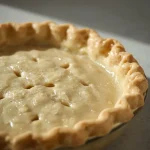
This is Ina Garten’s classic, foolproof pie crust, yielding a golden, flaky, and tender pastry every time. The secret lies in using very cold butter and shortening, plus a touch of vinegar to inhibit gluten formation for a melt-in-your-mouth texture. Perfectly balanced with a hint of salt, this crust is ideal for both sweet and savory pies.
- Prep Time: 15
- Cook Time: 45
- Total Time: 420
- Yield: 4 1x
- Category: Dessert
- Method: Baking
- Cuisine: American
Ingredients
- 1 1/4 cups all-purpose flour, plus more for dusting
- 1/4 teaspoon kosher salt
- 1/2 cup (1 stick) cold unsalted butter, diced into 1/2-inch cubes
- 1/4 cup cold vegetable shortening, diced into 1/2-inch cubes
- 3 tablespoons ice water
- 1 tablespoon apple cider vinegar
Instructions
- Place 1 1/4 cups all-purpose flour and 1/4 teaspoon kosher salt in the bowl of a food processor fitted with the steel blade. Pulse 3 to 4 times to combine and aerate the flour — this ensures an even salt distribution and lighter texture.
- Add the cold diced butter and cold diced shortening to the food processor. Pulse 8 to 10 times, only until the mixture resembles coarse meal with some pea-sized butter pieces remaining. Do not over-process; those visible fat pieces create steam pockets during baking, which produce flaky layers.
- In a small bowl, combine 3 tablespoons ice water with 1 tablespoon apple cider vinegar; the vinegar helps prevent the gluten from overdeveloping, keeping the crust tender. With the food processor running, pour the water-vinegar mixture through the feed tube in a steady stream and process just until the dough begins to clump together, about 10 seconds. The dough should hold together when pinched but not form a ball.
- Turn the dough out onto a generously floured work surface. Gently gather the dough into a 5-inch disc, incorporating any dry bits with a bench scraper. Do not knead — overworking develops gluten and toughens the crust. Wrap the disc tightly in plastic wrap and refrigerate for at least 4 hours, or overnight. Chilling solidifies the fat, relaxes gluten, and allows the flour to fully hydrate, resulting in a more tender and workable dough.
- When ready to roll, preheat the oven to 375°F / 190°C. Remove the dough from the refrigerator; if it has chilled longer than 4 hours, let it sit at room temperature for 10 minutes to soften slightly for easier rolling.
- On a lightly floured surface, dust a rolling pin with flour. Roll the dough from the center outward, rotating the disc a quarter-turn after each roll to maintain a round shape. Continue rolling until the dough is about 12 inches in diameter and 1/8 inch thick. If the dough sticks, lift it gently with a bench scraper and add more flour underneath — tearing the dough can cause shrinkage during baking.
- Transfer the rolled dough to a 9-inch pie plate by rolling it loosely around the rolling pin, then unrolling over the dish. Gently press the dough into the bottom and up the sides without stretching. Trim the overhang to 1 inch beyond the rim, then fold the excess under itself to form a thick edge. Crimp the edge using your fingers (fluted style) or press with fork tines for a decorative finish.
- For a single-crust baked shell: Line the dough with a large piece of parchment paper (shiny side down), allowing it to drape over the edges. Fill the lined crust with pie weights, dried beans, or uncooked rice, spreading them up the sides to prevent the crust from slumping. Bake at 375°F / 190°C for 20 minutes until the edges begin to turn pale gold.
- Carefully remove the parchment and weights. Prick the bottom of the crust with a fork (dock) in several places to prevent air bubbles. Return the crust to the oven and bake for an additional 15 to 20 minutes, until the entire crust is golden brown and feels dry to the touch. If edges brown too quickly, tent with foil.
- Cool the baked crust completely in the pie plate on a wire rack before filling. For fillings that require further baking (like custards or fruit pies), the crust may be partially baked or filled raw per the recipe instructions — this technique provides a fully baked shell for no-bake fillings.
Notes
Storage: Baked crust can be stored at room temperature, covered, for up to 2 days. Unbaked dough: refrigerate up to 3 days, or freeze wrapped in plastic and foil for up to 3 months; thaw in refrigerator overnight before rolling. For reheating a pre-baked crust that has softened, place it in a 350°F / 177°C oven for 5 to 8 minutes to crisp.
Nutrition
- Calories: 485
- Sugar: 0g
- Sodium: 245mg
- Saturated Fat: 17g
- Carbohydrates: 39g
- Fiber: 1g
- Protein: 5g
- Cholesterol: 61mg
Keywords: Ina Garten pie crust, pie crust recipe, flaky pie dough, all-butter pie crust, classic pie crust, American dessert, baking, pastry, Thanksgiving pie, buttery pie crust
Find it online: https://inagartendishes.com/ina-garten-pie-crust/